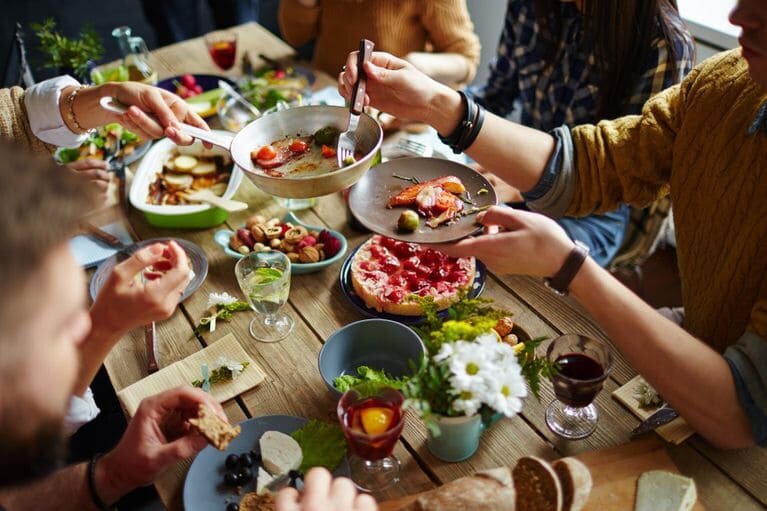
 What is the diet that will give you maximum energy, optimum health and provide weight balancing?..... It Depends. Depends could be a product you use when you are leaking uncertainty 😊 but in this case depends opens the floor for your uniqueness. Caveat: If you already have a diet or program that is working for you, providing you optimal health and energy, then stop reading now and continue with your current plan. If you don't, then you may like to continue reading about trends in evolutionary biology, physiology, philosophy and political motivations to help you find your truth and best solutions for energy and health. Let's begin with a few definitions and descriptions: A herbivore, is an animal that feeds on plants. A cow for example, has several stomach chambers and a longer digestive tract. They extensively chew their food so digestive enzymes in the mouth begin the process. Their stomach is more alkaline 4-5 pH. A carnivore, is an animal that feeds on other animals. A carnivore is at the other end of the spectrum having only one stomach and a shorter digestive tract. A carnivore digestive system includes different enzymes- protease to digest protein, lipase to digest fat and a few have amylase to digest carbohydrates. A carnivore lacks cellulase to break down plants. An omnivore is an animal that feeds on plant and animal matter. Carnivores and omnivores have a lower stomach acidity 1-2 pH to break down meat, have a wider esophagus to accommodate swallowing more dense food without it being chewed. They don't chew because there is no digestive enzyme in the mouth. Humans are a mixture of all these varieties. We chew our food with our molars and have amylase to break down carbohydrates that begins in the mouth similar to a herbivore. We have incisors and canine teeth to bite into meat like a carnivore. Our digestive tract is more like a carnivore in that we have only one stomach but a more lengthy intestine for food processing and absorption. The human stomach is acidic - 1-2 Ph like both carnivores and omnivores and we have an enzyme found in the stomach called pepsin that digests protein. Biologically, we are more like an omnivore in having all the parts to eat and digest both animal and plant matter. Food is an emotional issue for many as our psychology, biology and family genetics play a factor in our diet. In astrology, the Moon is the planet that represents food it also is connected to mother, emotions, home and unconscious desires so as an astrologer I often take this into account when recommending a certain style of eating. Those with a moon in Capricorn for example tend to be more sensitive to gluten. Those with a moon in Gemini often eat mindlessly in front of the computer, TV or other technology. Cancer moon people can be emotional eaters so this requires another level of coaching. On a Full Moon, parasites often move to the digestive system to mate and lay eggs, so on or after a full moon is a great time to do a parasite cleanse. If you are planting in your garden or starting a new diet plan, best to wait until after a New Moon. These cosmic factors and the psychological overlay also add a layer to the biology. In my chiropractic family practice, I would often host nutritional education sessions to share research that I collected. Below in the resource section are some examples of those books or videos that left a lasting impression. One of the books that lined my clinic shelves was Dr. Peter D'Adamo's, Eat Right for Your Type. In this book, he suggests blood type is a significant factor based on evolutionary genetics and antigens on the blood cells. Blood type A is Agrarian so they can eat small selective amount of animal protein but do much better with a plant based diet. Blood type B evolve from the Nomadic peoples so this group in general will thrive with dairy products in the diet. Blood type AB are a mixture of both A and B. Blood type O, the oldest and most common types who hail from hunter and gatherer tribes, excel best without dairy, wheat and corn and are healthier with higher animal protein diets of meat, fish and poultry. There are detailed protocols in Dr. D'Adamo's book and website for those who may like to investigate this further, as well as an Eldon card kit which allows you an opportunity to do an analysis of your blood to determine your own blood type. The blood type analysis maybe a way to explains the nutritional paradoxes. Knowing your own blood type is also useful if you were banking blood for a friend or relative who needed a blood transfusion. Currently, the Canadian Red Cross collects your blood for free and then sells it back to hospitals with your tax dollars and sells the other 70-80% to pharmaceutical companies for research. I would love to see a private enterprise where our healthy blood is separate from those who may be more saturated from nano-tech of recent pharmaceutical injections. Wonderful, if they could reward the person for giving the blood instead of selling it to those in the pharmaceutical cartel who have a vested interested in keeping us sick. How could we make this a win-win business for profit and health? Over the last 30 years, i've tried vegetarian, carnivore, paleo, keto and many other food programs and styles of eating. The blood type diet seems to be the one that resonates with my body type, lifestyle, personality, health, energy and even correlates with my natal astrology chart, so it feels true to me in many ways. I'm going to test it again more carefully over the next few months and report any changes. It may not be true for you, so as I have suggested in the beginning take it with a grain of salt, keep an open mind, be willing to experiment and then keep what has value to you. Maybe this article and resources will provide Food for Thought. When you are green you are growing and when you are ripe you rot. Speaking of salt, natural celtic salt, your own harvested sea salt or Himalayan rock salt has more than 84 trace minerals so natural salt is an essential part of any healthy diet. Too many carbohydrates can create inflammation of the body and brain, and tax the immune system as outlined in Dr. Natasha Campbell McBride's book The GAP's diet. Dr. Joe Mercola suggests, too little carbohydrates or keeping your body in ketosis may increase cortisol and body stressors. There is an exception to every rule and there will be a researcher to support and challenge every angle but great that you get to experiment and choose the moderate approach that feels best for you. There are certain principles that are general across the board..... 1. Food chemicals- glyphosate, antibiotics, nano-tech, pesticides, hormone or mRNA injected plants/animals are unhealthy. 2. Genetically modified foods have low nutritional value. Modified to withstand the glyphosate poison sprayed on them. 3. Lab grown plant based meats and other processed packaged foods are not in your best health interest. 4. Wheat, Soy and Corn are the most genetically modified foods so most advise to avoid them. 5. Fasting 12-15 hours a day is a general healthy rule of thumb, longer during periods during illness. Aside: Birds, Swine and Cows don't get the flu, unless toxins have been injected into them. Be mindful of a globalist agenda trying to sell you plant based meats or telling you the gas in cow flatulence is causing climate change. The swine flu vaccine was developed for pigs. "When the farmers refused to keep injecting their livestock because it was making the pigs sick, the pharmaceutical company in 1976 encouraged President Ford to mandate the swine (pig) flu shots to the human population so they wouldn't lose profit in the stock supplies they already made. Billions of dollars of injuries ensued. President Ford wasn't re-elected and sentenced to spend the rest of his days wearily truding up and down the golf course at Palm Springs." ~ Eustace Mullins- Murder by Injection) In the resource section below is an article written in 2016 for optimyze magazine about obesity and obesogens- man made toxins in the environment. Our bodies sequester the poisons so the belly fat around the organs maybe a survival mechanism to protect our body from toxins: in the air- chemtrails or cell phone radiation, in food- herbicides/pesticides and in water- fluoride, chlorine and nano-tech. So it is not just what you choose to eat but the quality of what you are eating that determines your health. Plastics, processing and microwaves also decrease food quality so if you can't pick it from a branch, dig it from the earth, hunt it from the field or gather it from the nest, likely it is processed in some way. Even tea bags have chemicals in them so making a loose leaf tea is a healthier tradition. Supporting local organic farmers who can grow in greenhouses protect against chemtrail spraying. Green power houses even nourish the soil, clean the air and provide Free Energy! Livestock farmers who free-range their flock, don't inject their animals and encorporate humane end of life procedures, ensure a higher quality of food. The secret life of plants and animals is the energy that you'll be ingesting. Tammy Canal, stay-at-home mother whose kids who got sick from glyphosate, began the March Against Monsanto movement. She suggests, we must vote with our wallet. The supply will meet your demand. Purchase quality. The Blue Zone documentary and book by Dan Buettner supports this moderate dietary approach in visiting 5 different countries and towns with the highest concentration of centurions. Making the assumption that diet and lifestyle is responsible for their good health, he found several factors common to them all: 1. Moderate natural diet of plant and animal protein. 2. Daily exercise. 3. Social circle of support. 4. Spiritual belief in a Higher power. 5. Purposeful living. Living from the land, spending time in nature, forming community, reducing the time and space between you and your food gives quality and quantity to life. The rising cost of living, the modification of the foods and the government overreach into our "healthcare" system have sent thousands back to goats, gardens and the lifestyles of our great-grandmothers, as reported recently in the Toronto Star. In 2022, the Homesteading Canada Facebook group went from 2,000 to nearly 20,000 followers. Many now see value in growing food, raising animals, and feeding their family and friends from a natural matrix. The best diets for health, energy and longevity are found within the art and craft of your own land and hand. Resources: 1. Dr. D'Adamo Eat Right For Your Type. 2. Exposing the obesity cancer link. https://www.optimyz.com/wp-content/uploads/2016/09/506.pdf Page 45-47 3. Dr. Klacker Forbidden Health. 4. Chemical toxins: a hypothesis global obesity epidemic Paula F Baillie-Hamilton 1://pubmed.ncbi.nlm.nih.gov/12006126/ 5. Cell phone task force. EMF effect bees and other insects that pollinate our plants. 6. Dr. Mercola Carbs for energy. 7. Barry Groves: What We are Designed to Eat. 8. Dr. Natasha Campbell McBride GAP's diet: 9. Dr. Gundry- The Plant Paradox: 10. Dr.William Davis- Wheat Belly. 11. Dr. Anthony Chaffee Carnivore Diet 12. Dr's. Campbell and Campbell. The China Study 13. Phyllis Balch. Prescription for Nutritional Healing 14. Dan Buettner. Blue Zones 15. Forks over Knives. 16. Eustace Mullins. Murder By Injection 17. Green Powerhouse as a clean food, energy and soil solution. 18. Bread As a Drug. 19. Do Your Kids Need Yellow Suits to Eat Breakfast? 20. Blood Typing Eldon card kit 21. The Secret Life of Plants. 22. Stg Pattie Brassard genetics. 23. Mexico Bans GMO. 24. Cancer & nutrition. 25. Live video of this article information. Subscribe for updates.
0 Comments
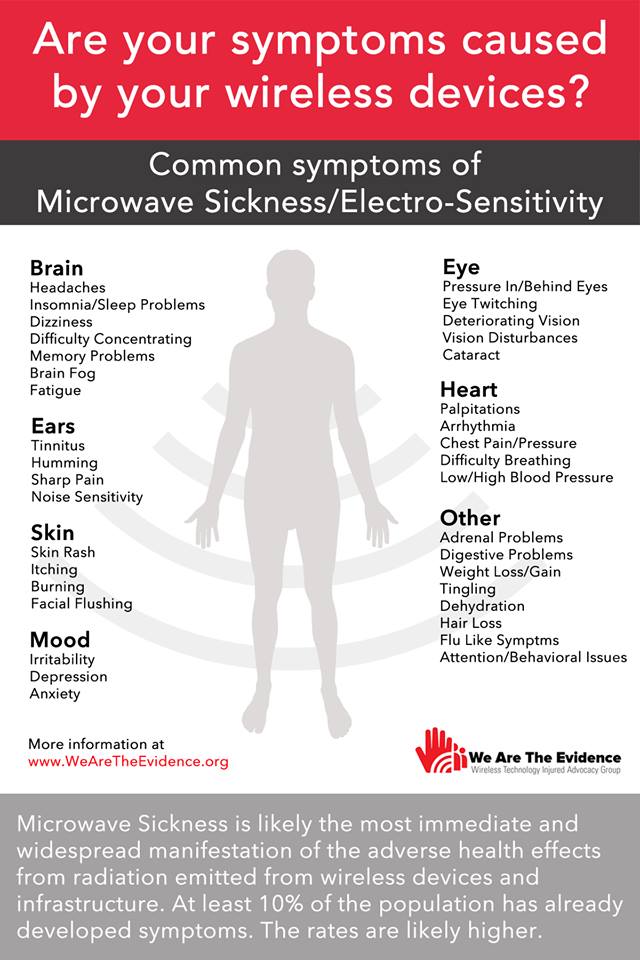
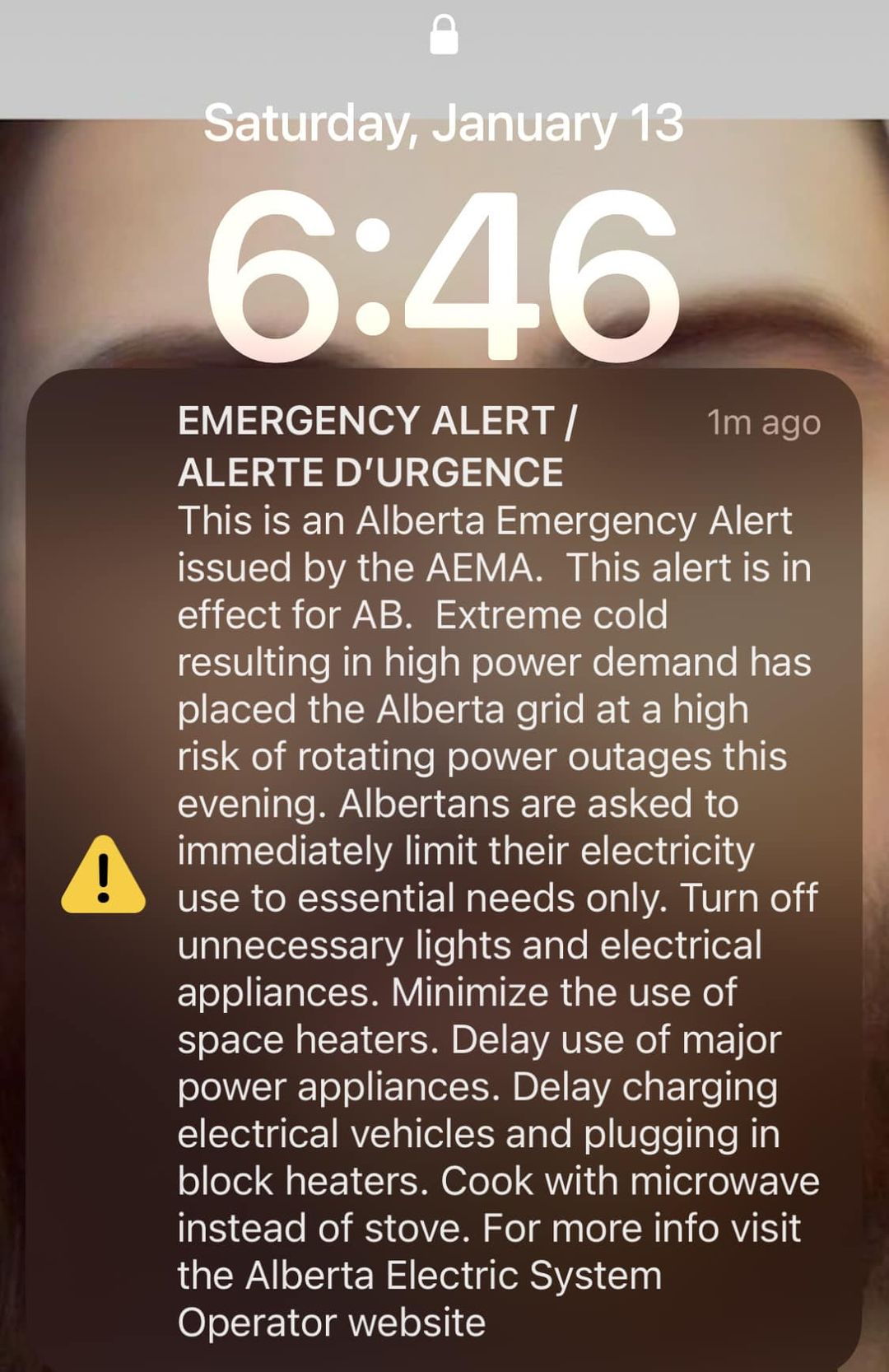
3/11/2024 1 Comment smart meters are not-so-smart!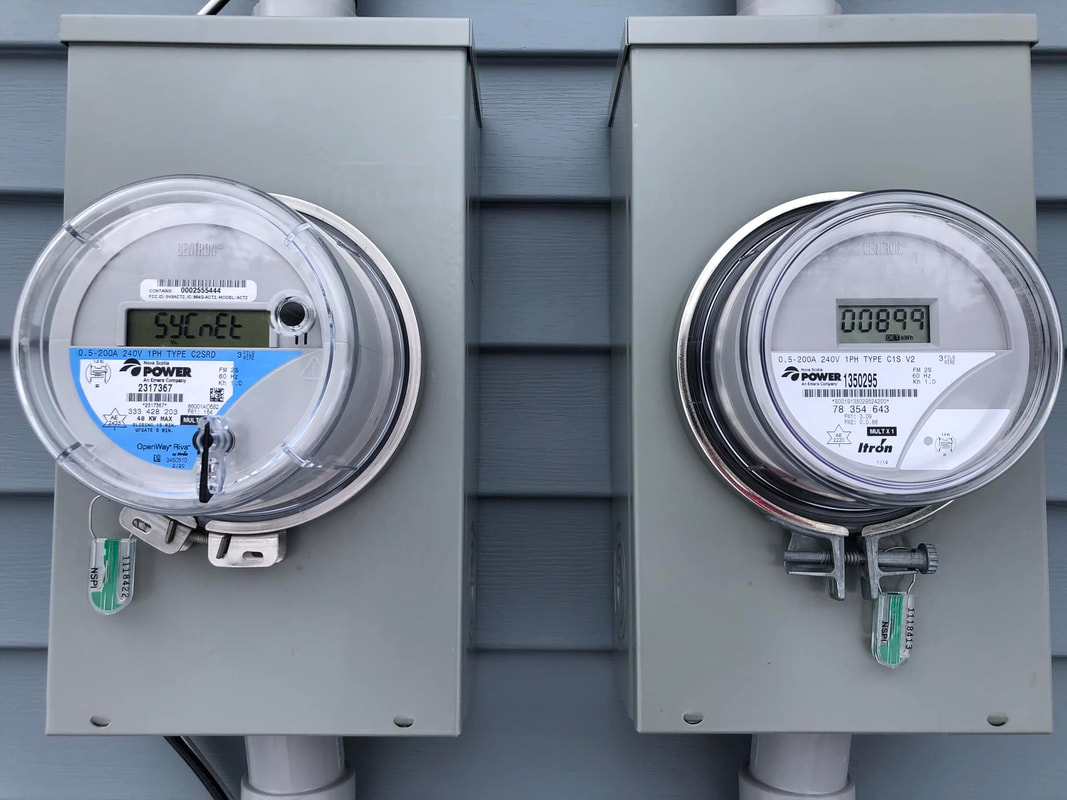 15 min Smart Meter Video here https://www.bitchute.com/video/MR9Wdy2JzDwm/ The Smart meter is the one on the left of the photo- Type C2 SRD. SMART means Secret, Militarized, Armament, Residential, Technology. This is a Federal Government funded and implemented project that appears to be a part of a greater control agenda in a computer matrix. In one of the videos I shared with the Utility Board of Nova Scotia, titled the Capabilities of Smart meters, suggests that the government has tricked you into creating your own cage. It is a radiation, surveillance device they have mandated you attach to your home for greater control. In a similar way they had "mandated" you inject yourself with bioweapon nanotechnology that allows these frequencies to more directly affect you. Many are already experiencing microwave sickness and have no idea that it is coming from the technologies to which they have consented. When this was first introduced here in Halifax, Nova Scotia in 2018 I had to create a song and dance with the utility companies, the media, the council and the politicians to be able to opt out. Once I moved to a rental property I had to go through the same skit again. Fortunately, I have flexibility in having my power bill directly in my name. In apartment buildings where the light and heat are included in your rent, you are in a cage with a double padlock. The only solution is to move out of the 5G city. The smart meter covers do not protect against 5G radiation at 30-300 GHz. Click into 15 min Smart Meter Summary video. At a very fundamental level the Smart Meter is a TOU - Time of Use surveillance gauge so it keeps track of individual usage minute by minute. Peak times will cost more for your power company so these Critical Peak Pricing (CPP) times can be transferred to the customer. The National Library of Medicine in a recent pubmed article suggests they will be using health care and behavioural monitoring using the smart meters. The biosensors in the smart meter units communicate with your smartphone, smart appliances, smart TV, smart watch to give them round the clock control and access. To move data in real time the smart meter connects the 5G network to the 6G network that has been injected into you. Friends that have opted out of the smart meters appear to be creating breaks in the 5g grid maps. Reasons to ditch Smart Meter and other Smart technologies: 1. Dangerous Radiation levels. 5G can’t be measure with standard devices. 2. Smart Meter Fire Hazards. 3. Government Surveillance You Pay More at Peak Times 4. Control in a Credit System. Alberta residence alert message to scale back on power. 5. Health/disease delivery through the bio-field Other resources and correspondences: Dr. Barrie Trower - Biowarfare microwave expert: https://rumble.com/v23ly0a-the-cooking-of-humanity-deborah-tavares-interviews-scientist-barrie-trower.html? https://www.youtube.com/watch?v=aMMEQNnSZIo Fire Hazard: https://www.cbc.ca/news/canada/toronto/fear-of-fire-hazard-causes-removal-of-thousands-of-smart-meters-1.2928314 Optimal meter model: https://www.itron.com/-/media/feature/products/documents/spec-sheet/101441sp06-openway-riva-centron-meter-nam_web.pdf?fbclid=IwAR06OPpy1goiY61ub5nlUWQGHkT9Halnb6QLPKNj38nyu98fB0bQBt_D9Rg Dialing up disease in the biofield -WBANS and how to counter it: https://rumble.com/v430zz5-iob-mban-medical-body-area-networks.-connecting-patients-to-the-cloud.-sabr.html?fbclid=IwAR1GedBOqejs9fjlgPSRmswah5yo0QWWTjGUWOcl4wtCyW0zoXRfCQkPcS Outside of removing wifi from your space, this is the best free protection I can find for 5,6, 7G. Sabrina Wallace: Piloerection and protection from electromagnetic weaponry! See video - chakra nodal points. - hoop blue energy ball over heart - right hand down left hand up to expand outward -dislodge biosensors -energy shield protect Gratitude also causes piloerection (goosebumps) on the skin!! This 7 min youtube video may seem a little nuts but Sabrina is a brilliant scholar check out her channel on rumble. https://www.youtube.com/watch?v=_qK1ZzacpxA Disconnect wifi from your smart stove: www.youtube.com/watch?v=MzQLwnVCbmM Note: Smart Meter covers do not protect against 5G. 5G at 30-300 GHz is a microwave that can penetrate a faraday cage. Thank you Liam for your accommodation in finding an older model Nova Scotia power meter. A unit with no wireless sending or receiving capabilities should be fine in a digital or analogue meter. The smart meters are riddled with fire hazards, health issues and the biosensor surveillance capabilities are shocking. https://rumble.com/v3lejcg-september-27-2023.html Was your supervisor at Nova Scotia Power able to find the model numbers and manuals for the residential units? I’ve attached some information on models from Peter Ripple for your reference. Is the model you are offering me a Itron Centron C1S? Does Nova Scotia Power have to report the model numbers with fire hazards to the fire department? Are the building inspectors aware of the issues with these Smart Meters? How many fire incidences in HRM with the newest smart meter models? Health Canada replied to my inquiry stating there were many EMF safety studies but thus far they haven’t been able to produce any independent recent studies that weren’t funded by the government. Smart meters, smart watches, smart phones seem to be part of a smart city circuit. The emergency alert from Alberta below gives us an indication of how the government plans to use the smart phones and smart meters lock us into the control grid. Humans, pets, wildlife, plants and pollinators do not do well in artificial electromagnetic radiation. It appears this smart agenda is not in the best interest of public health and safety. Ditching the smart devices and returning to cord technology would be wise. A niche has presented now for the construction of safer power meters for the educated consumer. Thank you for your service. Dena Mr. Allen, Thank you for your reply. Perhaps it is not your responsibility to educate your customers about dangerous technology you would be attaching to thier private residence but the fire inspectors may disagree. I have copied a fire chief, the previous police chief and attached the fire safety act for your review. Are there biosensors in your Smart meter units? Nova Scotia Power said they switched my meter to analogue mode so this may reduce some of the wifi radiation but it doesn’t address the surveillance or fire hazards issues of the smart meters. https://www.sott.net/article/327383-Not-so-smart-technology-Safety-inspector-blows-the-whistle-on-fire-hazards-of-smart-electronics To whom would I address a Notice of Liability to Nova Scotia Power or the NS Utility Board? My contract is with the Nova Scotia Power not Health Canada. Some of your customers of Nova Scotia power have been blessed with the return of their safe, tried, tested and true analogue meters. I trust to be one of those lucky customers too. I wish for this SMART meter device (Secret, Militarized, Armament in Residential Technology) to be removed as soon as possible. Thank you for your immediate attention. The capabilities of these smart meters are pretty scary so I imagine once the word gets out, there are many customers that will be requesting the safer alternative. https://rumble.com/v3lejcg-september-27-2023.html Thank you for your inspired action, Dr. Dena Churchill BSc., DC Fire Safety Act: https://nslegislature.ca/sites/default/files/legc/statutes/fire%20safety.pdf References: There are more scientific peer reviewed studies available upon your request. https://pubmed.ncbi.nlm.nih.gov/19398310/ https://pubmed.ncbi.nlm.nih.gov/28504324/ https://pubmed.ncbi.nlm.nih.gov/26474271/ https://www.sott.net/article/327383-Not-so-smart-technology-Safety-inspector-blows-the-whistle-on-fire-hazards-of-smart-electronics https://stopsmartmeters.org/frequently-asked-questions/radio-frequency-radiation-issues/ https://www.youtube.com/watch?v=MQ_t39kAdi8 Explanation of different frequencies. https://www.youtube.com/watch?v=7kHVzj1Qb7I. Government reports health problems with smart meter installation. https://www.youtube.com/watch?v=p-aNRQNRtaI Smart meter effects the heart. https://www.youtube.com/watch?v=eAjX6Ap02dU Smart meter effects on the blood. https://www.youtube.com/watch?v=iljgbirKWhc Truth about smart meters, in conflict with Health Canada. On Jan 14, 2024, at 12:59 PM, Dena <dr.denagc@gmail.com> wrote: To Whom it may Concern at Health Canada. https://www.canada.ca/en/health-canada/services/drugs-health-products/compliance-enforcement/problem-reporting/medical-device-consumer.html At the above link I have re-submitted my concerns about my residential smart meter and attached here the correspondance with Nova Scotia power. Nova Scotia Power is unable to recall this Health Canada approved device. Both from personal experience and my professional health studies, I would ask that Health Canada recall theses dangerous smart meters immediately. If there is a particular man or woman to whom I may address these concerns, please forward this correspondence to expedite the process. Here are the supporting documents for the health and safety concerns noted in the correspondance below. The capabilities of these smart meters, the health effects and the purpose for which they have been mandated is alarming. Thank you for your urgent attention, Dr. Dena Churchill BSc., DC On Jan 14, 2024, at 8:01 AM, Dena <dr.denagc@gmail.com> wrote: Mr. Allen, I so appreciate your time and clarity in your reply. The $133 million dollar Smart Meter capital expense and the stamp of approval from Health Canada, certainly restricts outreach of our local utility board in re-calling this dangerous product. Health Canada hasn’t been as prompt or forthcoming in their replies. Would a grassroots education for the public into the capabilities of smart meters be a directive that the Utility Board could consider? I appreciate the "opt out" clause but could the board create a policy to ask customers if they would consent to this surveillance device? What could we do as a concerned group of men and women who are seeking health for our families and our local community? As I have discussed in this latest article, Health Canada is part of the problem more than the solution. I look forward to any continued correspondance in public print or in private call to any information, ideas or inspirations. Blessings, Dena Capabilities of Smart meters: https://rumble.com/v3lejcg-september-27-2023.html On Jan 12, 2024, at 10:36 AM, Allen, wrote: Dr. Churchill: Further to your recent correspondence (copied below):
As the Board:
I note that the program does have an opting-out provision should you other others not wish to participate. That is referred to in the Board’s decision starting on page 51. Paul Allen Paul G. Allen, CPA, CA Executive Director Nova Scotia Utility and Review Board t: (902) 424-9306 tf: 1-855-442-4448 ext 9306 within Nova Scotia Pronouns: he/him/his Not the person to whom this message is intended? My apologies. This message may be confidential, including attachments and other messages it contains. Here’s what to do:
     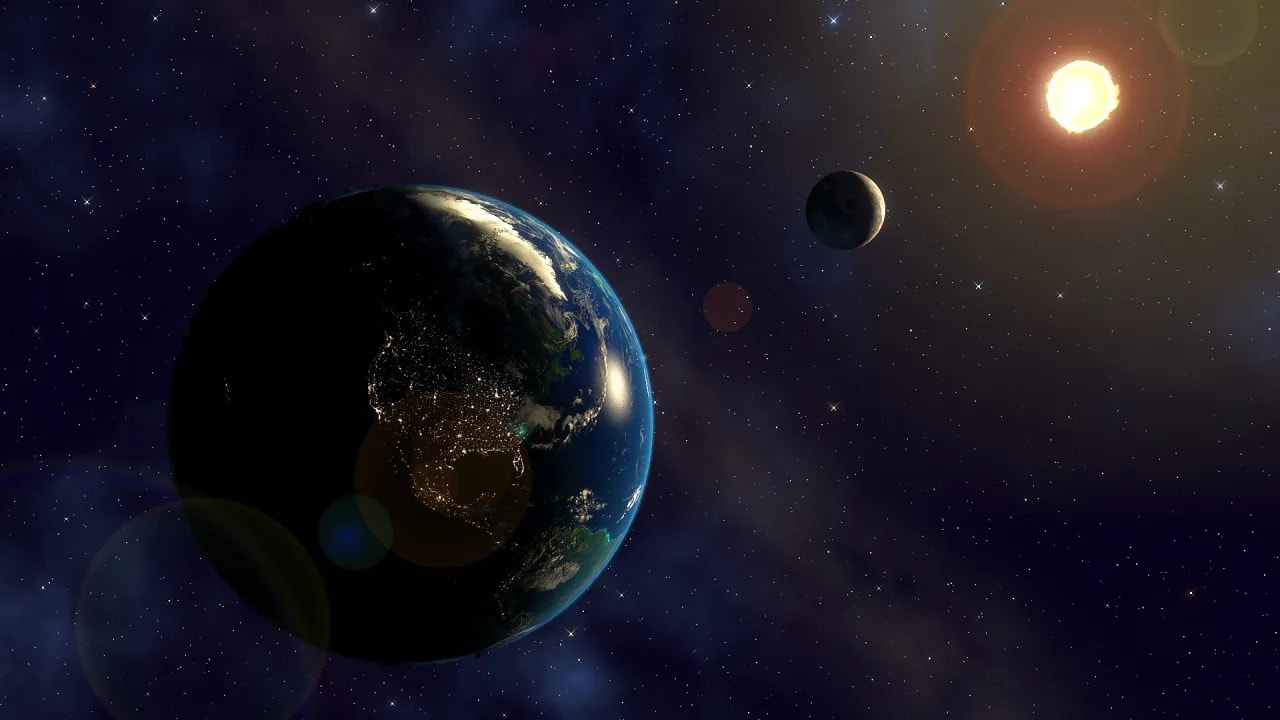 Solar Eclipse Welcome to the Eclipse season 2024! This year, we have 5 of these astronomical phenomena- 2 solar eclipses and 3 lunar eclipses. The first Lunar and Solar Eclipses are happening within the next 4 weeks. May this article inspire you to fit your binoculars, telescopes and cameras with solar filters and prepare your mind and heart for a re-set. Eclipses are one of the most important astrological transits and used as real-time, predictive technique in Astrology. When these New and Full Moons occur near the lunar nodes (aka the two points where the Moon’s orbital path crosses the path of the Sun) their influence is amplified. They become more significant to you personally, if they transit an angle or planet in your own natal chart. During a Solar Eclipse the Sun disappears in the sky, eclipsed by the Moon. The Lunar Eclipse happens when the Sun casts Earth's shadow onto the Moon. For this to happen, the Earth slips in the cosmic bed between the Sun and Moon with all three bodies lying on the same plane of orbit. Throughout history the Mayans, Ancient Indians, Greeks and Aztecs all feared eclipses believing the Sun was being swallowed by a spirit animal or demon to disrupt the natural order. Ancient Greeks believed that eclipses were a sign the gods were angry with humans and that the Sun would abandon Earth, bringing untold misery. The word “eclipse” comes from the Greek word meaning “abandonment.” In these auspicious times where the lights go out, priorities change and a cosmic reset happens, you have the opportunity to synchronize your light to the source. I imagine adding cosmic chaos to the earthly chaos of our current world, may create some order and resolve.... but it could be a bit spicy. March 24-25, 2024 is the South Node Lunar Eclipse at 5 degrees Libra. So the themes for this will be around RELATIONSHIPS. They tend to be more emotional (being on a full moon) and affect us on a personal level. It is activating the South Node so the changes in personal relationships may have a karmic flavour, sorting unfinished business from the past or even a past life. How are you showing up in this world? Are there partnerships or other contractual business relationships that you are ready to release or remodel? Have you been able to find gratitude for the challenges with your parents, ex-spouses, previous employers and others of the past, to thank them for creating and grooming the strong, resourceful, magnificent being of YOU? What relationships now serve your greatest purpose? April 8, 2024 is a Total Solar Eclipse 19 degrees Aries activating the North Node and conjunct Chiron so this may be intense as Aries carries a brave, bold warrior energy and Chiron is your wounded healer. First time since 1979, the Solar Eclipse will be visible in some parts of Atlantic Canada ( north of Moncton, NB and north of Cavendish, PEI) and with special glasses to protect your eyes, you may be able to view it. A solar eclipse phenomena is likely to be marked by external global events! This one in particular will have a flavor of wounding and healing your identity. The last time we had a solar eclipse at 19 degrees Aries was April 8, 2005. Wikipedia reports some of the global past events that took place on this date. Eclipses belong to larger cycles. The Metonic and Saros cycles happen every 18-19 years in the same degree of the Zodiac. What was happening in your life in 2005-2006? The themes within the next 6 months after the eclipse, in your personal life as well as any global phenomena maybe similar. There is psychological comfort in being able to predict, prepare and plan to be flexible around the gifts the Universe may deliver. In these transitions, you are reminded of the cyclic, transient nature of our world and the purpose in pain. A butterfly struggles in a chrysalis to grow and strengthen its wings. The pumping of the wings brings in oxygen and nourishment. Once the wings are strong enough to break free, it flies. "The wound is the place where the light enters." ~Rumi Healing affirmations: 1. Earthly struggles strengthen my physical existence so that I may know my divine expression. Thank you. 2. A sense of balance and strength comes from loving, honouring, nurturing and trusting in myself. 3. All that I see is a reflection of me. I am healed by embracing the light and dark within my universal self. 4. I am love. I am loved. I love. It all begins with me. In a North Node Solar Eclipse we are given the opportunity to step out of our comfort zone to allow in new energy to seed our future. Solar eclipses come with a flavour of the new moon so it is riddled with change, releasing the old to make way for YOUR NEW BEGINNINGS. Farmers plant their crops after a new moon because it is within the natural law, that maximum growth happens on the border of order and chaos. The old Moon dies and the new Moon is born with great energy, enthusiasm and potential. As the New Moon grows so does her magnetism - pulling up water and resources from the soil for nourishment. Use this energy to bravely step into the magical unknown... where everything is possible. When the love hits the fan, you'll be ready to adjust your sails and catch the wind. April 18th, 2024 Jupiter exactly conjunct Uranus at 21 degrees Taurus which heralds unexpected, groundbreaking shifts to the collective consciousness and expansive breakthroughs, some of which we are already witnessing. Taurus represents comfort, wealth and security so it maybe the month where the GLOBAL RESOURCES and values show a massive change or reset. Could it be stimulating the crash and burn of the old fiat system and the beginnings a new global economy? Could the Libra full moon theme of balance and justice spill over into this event, absolving debt and levelling global wealth? Taking your money out of the banks, that are owned by the World Economic Forum and safeguarding your resources in hard assets, such as silver, gold, farmland, oil and gas, may be wise. Ensure your technology is backed up and turn off the cell phone and wifi as these frequencies directly and profoundly affects brain waves. Have handy supplies of food and water just in case the grid goes down. As March 24 Lunar Eclipse approaches, you may be feeling more emotional. Personal relationship changes- either with your spouse, business partners, family, friends, colleagues, governing structures or even renovating yourself and your view of the world- will help you accommodate the April global events. If you would like to know more about what specific areas of your life may be transited and affected by these Eclipses, an Astrologer maybe able to help you navigate this Karmic recalibration. The following brief clips and astrology article host a menu of possibilities. https://compasscorrect.com/dena-website-videos. https://www.healthtruth.blog/blog/10-benefits-in-an-astrology-reading HOW to Survive and Thrive an Eclipse: 1. KNOW Eclipses are Divine Acts to help you evolve. 2. TRUST in a higher power helping you be true to you. 3. BE GRATEFUL for transformation in new possibilities. 4. SING & DANCE to connect with the song of creation. Everything is regulated by a pre-established harmony. With our earthly eyes, the full scope of Divine design is often outside of our perception. Where you look is what you see. You are lighter and brighter when you keep your face, focus and heart toward the Sun. "If we could understand the order of the universe well enough, we would find that it surpasses all the wishes of the wisest people, and that it is impossible to make it better than it is—not merely in respect of the whole in general, but also in respect of ourselves in particular.” Leibniz  How does the ocean stay clean? After thousands of years of fish poop, human pollutants, parasites and environmental disasters, what is the secret ingredient? If you knew the answer to this question, then perhaps you would know how to heal your body of water using the same paradigm? Our body fluids are very similar in mineral composition to sea water. In fact, for many years before the pharmaceutical companies took over healing programs for profit, sea water was used in many treatments for different conditions. Sea water contains all the minerals and trace minerals in the periodic table and can facilitate energy recharge in the body thanks to the high content of salt and ions. Why is the ocean not a cesspool? ....because of the magic of Sodium Chloride. Sea salt holds the electrical charge to create biochemical reactions such as oxidation. The force of the wave creates electrolysis to split apart the molecule. The liberated chloride ion binds with sodium to regenerate the ocean and the positively charged oxygen is attracted to and removes electrons in the outer wall pathogens with a lower pH. Divine design! What 4 ions and what process powers up this healing? Na+, Cl-, O2+, OH- are the ions liberated through the process of electrolysis to neutralize acids and liberate oxygen to support higher vibration alkaline life forms. What compound can you make at home to accomplish similar miraculous results? You could simply add celtic, Himalayan or some other form of real salt to your distilled drinking water and bath in salt water to stimulate greater health but what compound creates molecular oxygen and real salt as a byproduct to more powerfully clean the water in your body? Hint: It's an anti-parasitic, anti-fungal, anti-bacterial, heavy metal chelator compound that has no known negative side effects other than those from a detox flushing and only salt and water as a degradation products? It's positive side effects may be a long healthy live.... with multiple orgasms! (Actually, you'd have to add a little boron to balance estrogen and testosterone to complete the multiple orgasm picture but that is a story for another day.) If you guessed chlorine dioxide then you are correct. Chlorine dioxide is a compound made by combining 22.5-25% Sodium Chlorite (NaClO2) and 4% Hydrochloric Acid (HCl). It's one of the safest, most effective killer of pathogens known to man. It has been used to disinfect from Antrax, clean slaughter houses and hospitals and for hundreds of years used in sterilization and water purification. It is very different from Chlorine bleach in both its chemical structure and behaviour. The chlorite ion (Cl-) is negatively charged therefore combines with the positively charged sodium (Na+) to form NaCl (real salt) as a breakdown product, whereas the chlorine molecule (Cl2) is neutral therefore does not react or break down. This lack of degradation of Chlorine molecule makes it poisonous and dangerous to living things in the environment and it can hang around for a long time. Chlorine Di oxide (Chlorine ion and 2 oxygen.. ClO2 ) effects the electrophysiology of molecules and cells and as an oxidant it facilitates combustion. The liberated chloride ion combines with sodium to form salt and the oxygen being positively charged removes negatively charged electrons from its outer electron shell of toxins. This process of adding oxygen is called oxidation. Like blowing on the flame of a fire, it enhances the flame so does adding oxygen to your internal flame. In comparison to other oxidizers like Ozone and Hydrogen, Chlorine Dioxide is weaker...... meaning it takes a while for it to react. The stronger oxidizers, being quick to act react, can char the cell membranes of even healthier tissue and has limited oxidation potential. Chlorine dioxide is slow to react so it can penetrate into the cell membrane and once inside it more than doubles the oxygenation capacity as compared to the others, removing 5 electrons from the outer shell ! (see chart below) Like a good navy seal, chlorine dioxide saves it's energy and holds back until on the inside and can take out the invader from with the walls of its own domain. This ability to be dissolved in water and to travel through the cell membrane offers a unique healing for all body tissues- even bone, ligaments and other structures that are not well vascularized. Could this be a possible solution for neutralizing spike protein generated within the cell? More research is required to make such claims but the possibility is intriguing. We alkalize the body when we breathe so the delivery of oxygen is most critical factor for maintaining the body's acid-alkaline balance. Red blood cells get charged with oxygen in the blood. Within veins the pH is 7.31 but in arteries the pH is 7.41. The stomach is 1.8-2.5 pH as its function is to destroy any pathogen you may ingest. In essence all food becomes acidic once processed in the stomach. Breathing is certainly more effective at controlling an alkaline environment than food or drink. A medication that lowers the stomach acid for example, leaves the body open to invaders and more serious infections. A microwave of 60 GHz, as was rolled out in Wuhan China as part of the 5G wifi launch, affects the coupling of oxygen in the lungs thus has many implications. It's no wonder people were dropping in the streets and the birds falling out of the sky! Each atom in a molecule has its own set of electrons, and these electrons interact with each other to form chemical and electrical bonds that hold the molecule together. Once the electrons in the outer shell are removed the pathogen or poison collapses- like dissolving the mortar between the bricks of a castle. Nernst & Bohr equations that evaluate cell potential show the oxygen is released form the chlorine dioxide targets the most acidic parts of the body and the more acidic, the stronger the reaction. Chlorine dioxide, UNLIKE other oxidizers and medications, has a specificity for only the acidic pH pathogens, leaving the healthy alkaline tissues in tact. So beautiful is the healing power of this liquid molecular oxygen. Pathogens are engulfed with oxygen and we literally love them to death. Those of a similar resonance survive, the lower acidic resonating structures crumble in the presence of the breath of life. Such a great analogy for all levels of our existence- fight the acid or neutralize it with love. The pH means the potential of hydrogen. The higher the potential, the more alkaline the tissue. Acidity in the body, meaning a lower potential for hydrogen (higher concentration of H+), generally creates dis-ease. Acidity could be temporary or in longer term, metabolic acidosis maybe be life threatening. Sugars and carbohydrates ferment if not burned, leading to acid production but generally breath more than food makes the body more alkaline. Chemical toxins in the presence of oxygen can be eliminated however if there is a deficiency in oxygen then the body will move to plan B to enclose the toxin in fat tissue. From this definition, obesity is a dis-ease involving too many toxins and/or not enough oxygen in the body. Solution would be to reduce toxic chemical load, reduce sugars and carbohydrates that ferment into acid and increase oxygen to pump up the furnace to burn them. Two important applications from this truth: 1. Cholesterol is not the enemy. Not only does the fat sequester toxins but provides a protective covering for the central nervous system. Fermented sugars cause the problems. 2. Increased exercise, increases oxygen so we can combust toxins instead of packaging them in fat cells and in addition burn fat and sugar to create energy. Eating natural foods + Exercise = Energy. Obesogens are a term coined for man-made chemicals in the environment that creates obesity. Chemicals added to our food imbalances this equation even if other factors are present. According to Dr. Klacker's definition low energy = illness. Jim Humble coined the term Miracle Mineral Solution (MMS) in 1996 for chlorine dioxide when he witnessed the miraculous recovery from malaria of four of his men while working in the jungle in Africa. Within 4 hours of taking the water purification drops Jim had in his backpack, these men were healed! Dr. Klacker outlines Jim's 2012 experiment with the Red Cross in Guyana, in which all 154 tested and diagnosed with Malaria were free from the pathogen in 24-48 hours. 143 of the 154 required one dose of 15 activated drops to have clear blood results but the 11 others required a second dose. Of course the details were wiped from the internet when the administrators found out of this wild success. Cheap and easy solutions are competition to the 4 billion dollar market in vaccines and drugs for malaria. Even today, Mark Grenon of Genesis Church sit in a jail cell in Florida for the last three years without bail for sharing details how this sacrament of oxygen may improve symptoms from the co.vid bioweapon. In 1988 NASA labeled and patented a chlorine dioxide product called Alcide. https://spinoff.nasa.gov/back_issues_archives/1988.pdf (pages 118-121). Apparently it is legal in certain governing bodies, if you create a patent for profit. It's only illegal for the common man who could unleash himself from pharmaceutical noose. Dr. Klackers book Forbidden Health is a must read! He re-defines health as an abundance of energy and with a few simple principles, including the mineral miracle solution, allows you to put your health in your own hands. Hundreds of testimonials from patients who have experienced success with the chlorine dioxide protocols for every condition you can imagine from Autism, Arthritis and AIDs to Pancreatic Cancer, Ebola and Malaria and everything in between. What condition wouldn't be helped by molecular oxygen? As humans we are salt water, electromagnetic beings so in creating a balance of charges, is like balancing the debits and credits on a bank statement, you create a homeostatic healing environment. If there are too many negative electrons there is dis-ease and if there are too many positive protons there is dis-ease. The balance of the 7.4 pH holds the healing. "Love (in healing as in life) is the simultaneous, synchronicity of complementary opposites."~ John Demartini I have been making and taking chlorine dioxide for my personal use for 4 years and have seen great successes in myself and in family and friends. I will include the recipe that was given to me by Bishop Wulf and Bishop Max of Genesis Church and a bitchute video of our cooking class. Unfortunately Bishop Max was disappeared after the video we recorded in 2021 during cov.id and his website miracleofwater.com was taken over by the CDC. Many have made ultimate sacrifices for your health knowledge. If you use or share these recipes please do so honoring the memory of Bishop Max of Genesis Church. The HCl you can find at any hardware store, the NAClO2 at a chemical store (https://pforlife.com) and the distilled water in a grocery store or pharmacy. Basically the recipe is PART A diluting the concentration of 80% NaClO2 to 22.5% and PART B diluting the 37% HCL to 4%. Dr. Klacker's Chapter 3, page 113 is a good one to read first so you know the best materials to buy and know the precautions and protocols. He also discusses making CDS which is infusing water with the gas instead of mixing it all up in liquid form on page 354-355. May this information inspire you to cook up new levels of health. References: 1. Exposing the obesity cancer link- obesogens. https://www.optimyz.com/wp-content/uploads/2016/09/506.pdf Page 45-47 2. The-Universal-Antidote-Interactive-Reference-Guidebook.pdf 3. Dr. Klacker Forbidden Health. https://voedia.com/en/libros-andreas-kalcker/forbidden-health-pdf/ 4. Chemical toxins: a hypothesis to explain the global obesity epidemic Paula F Baillie-Hamilton 1://pubmed.ncbi.nlm.nih.gov/12006126/ 5. Video of How to make ClO2. June 2021 https://www.bitchute.com/video/52CFlhKGwEaA/ 6. Recent interview with Dr. Klacker. https://rumble.com/v4ae11r-interview-661-with-andreas-kalcker.html 7. MMS video Feb 18, 2024. Clean FIsh Tanks Have Healthy Fish. https://www.bitchute.com/video/7hQxIPqcFWvY/ To explore the possibilities of ordering Chlorine Dioxide. Contact genesis2church297@gmail.com or order from a water purification company. https://www.realrawfood.com/products/water-purification-drops , https://allonewellnessnow.com/ Ways to support Mark Grenon: Order Books in pdf format: https://g2church.ecwid.com/All-Three-Volumes-E-books-of-Imagine-A-World-Without-DIS-EASE-p203756591 https://redpilluniversity.org/chlorine-dioxide-the-universal-remedy-that-drug-companies-hate/?asp_highlight=Chlorine+Dioxide&p_asid=1 Donations to: BishopMarkGrenon@protonmail.com 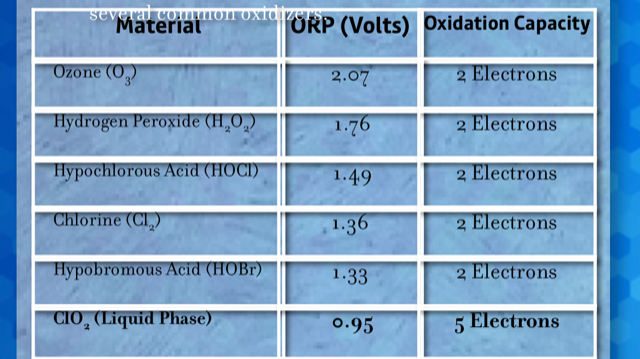 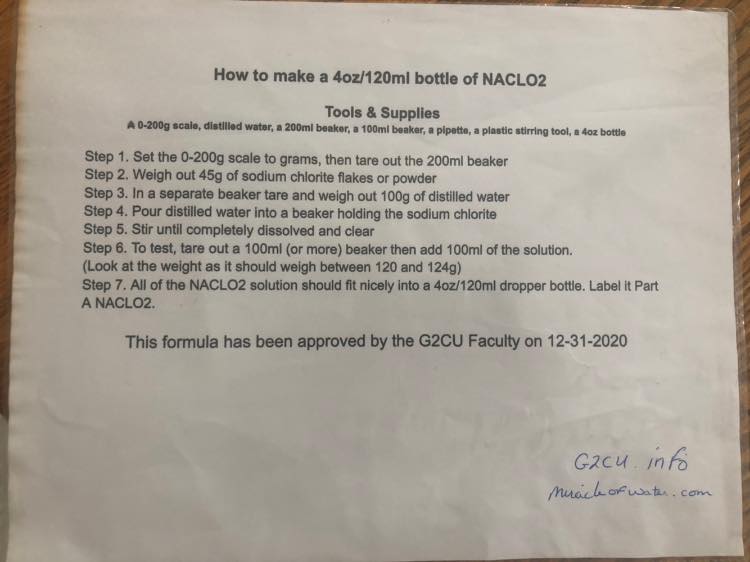 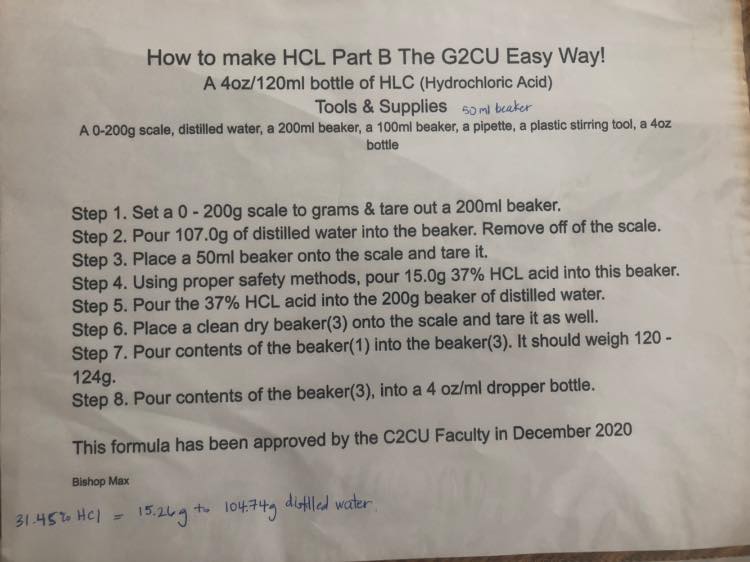 1/13/2024 0 Comments Transhumanism is here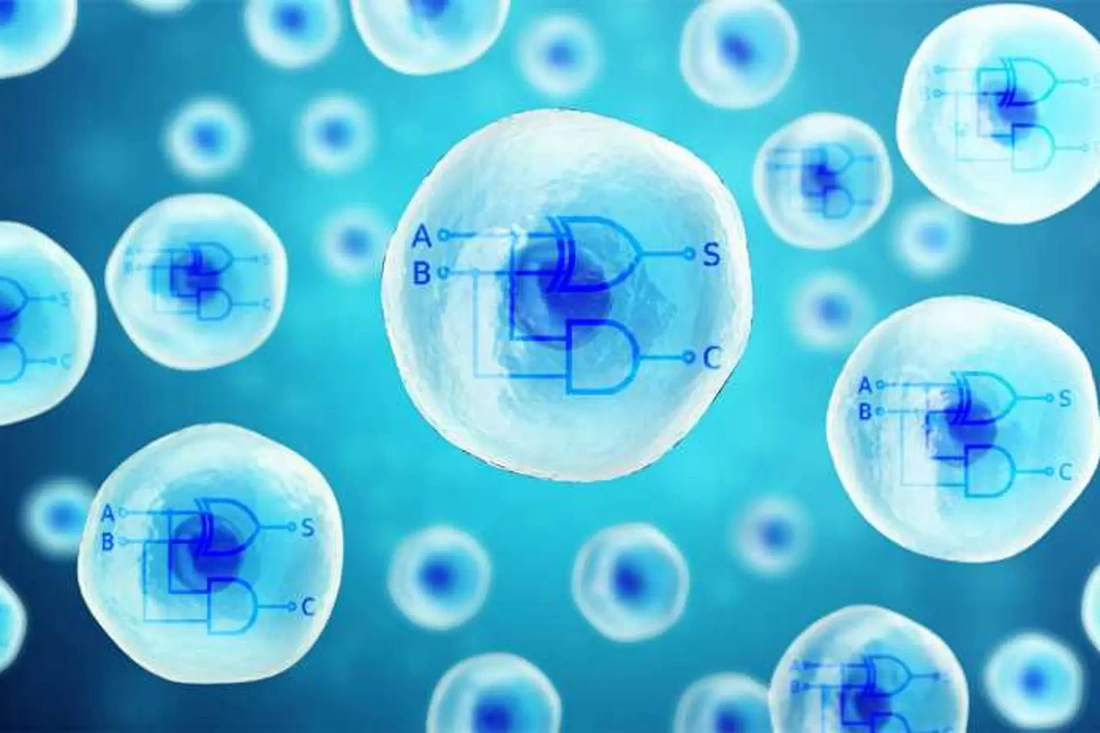 CRISPR has been used to insert biological computer processors into human cellsColourbox/Steven Emmett, ETH Zurich Transhumanism is not a very sexy title that instills love, joy or enthusiasm but let's together re-frame our ideas, open our hearts to a wider perspective and use our intention to guide the next stage of our evolution. Oxford dictionary suggests transhumanism it is the belief or theory that the human race can evolve beyond its current physical and mental limitations, especially by means of science and technology. As an exercise to expand your mind and in an attempt to collapse any preconceived notions of transhumanism let's imagine a theoretical scenario. What if Jesus with a AB negative blood type was a cosmically modified human? What if the immaculate conception was a gene altering test tube experiment to connect a human to a cosmic consciousness? Would believing this, alter your view of transhumanism? The covid plandemic created the conditions to allow for a transhumanism agenda to be injected into much of the population with self assembling nanotechnology. We could waste a lot of time resenting what has been done and crying over spilled milk or we can reach deep into our heart of love to discover loving solutions for humanity and seek to find some a blessing within the crisis. If we see the genetic alteration of our species as creating a zombie race and adopting the fear of the apocalypse, we create this reality. If we see some benefit in genetic alteration of our species in creating Nephilim or expanded humans, then we balance our dual mind. Instead of running the roller coaster of emotion, we liberate this energy and use our intention to guide the process that is already in place. I'm not suggesting this modification is correct but finding the blessing in what is already present and seeing some benefit is wise as it in Powers you to new levels of Love and Grace. "What you fear you draw near" so let's re-program our own mind, before it is done again for us. Transhumanism is here. The shots they call vaccines have introduced the nanotech operating system that communicates with the Internet of Things, not just to those injected but the nanotech has shed into our water supply, the CRISPR technology in chemtrails and in our food so no one is really exempt now. According to Dr. Robert Young and other researchers, the blood of the injected looks similar to that of the uninjected under a microscope. However, those that didn't inject the chemicals directly into their bloodstream generally have a stronger immune system. Perhaps this awareness of being similar, brings more unity to our humanity instead of dividing us into the "anti" mask, "anti" vaxx, "anti"science, "anti" religion, "anti" pureblood campaigns they create to divide us. All shots since their inception have caused health issues, it is just now we are waking to the magnitude and the agendas of the World Health Organization. Reducing wireless technologies- cell phones, smart meters, wifi computers and returning to cord technologies help support the biological systems of our natural world of humans, plants and animals. We know many dis-eases improve when the hu-man is removed from the artificial frequencies. Click on this Facebook post for further discussion of this concept and to view pictures of nanotech that I extracted from my own body. How to stay more human: 1. Keep your body alkaline. When you are acidic your body acts as a better battery to power up the nanotechnology. 2. Boycott wireless technologies. Spend time in nature with natural earth frequencies. 3. Detox baths and drink with Borax, Epsom salt, baking soda. 4. Eat non-GMO, organic, filter water and air. Power Green houses offer solutions for clean food, air, water and energy. 5. Create states of Love, Joy and Grace to elevate your vibration. 6. Ask Great Spirit/God/Jesus or your higher power to guide you. * Know the "word of God" has been modified many times by men through history and can be used to heal or harm. The Great Spirit of Love is a vibration that owns all the words of the physical dimension. There are many researcher now talking about the biofield- the energies that surround your body and extend out about 8 feet. Sabrina Wallace dedicates a whole channel to the WBAN- the Wireless Body Area Network. It is scary to think you can be manipulated remotely by a wifi frequency and the terms "bio wifi" or "brain computer interface" are now well used to describe this phenomena. It maybe used to cause harm or it may be used to heal. It is wise to avoid wifi frequencies that the cell companies have set up for you and the ones that come from your government installed smart meter. The smart meter appears to be a circuit connector to the smart city, smart phone, smart watch and smart appliances. These not-so smart items trap you in their microwave grid. The 5G technology can only travel a distance of 500 feet so just like the mandated shots, the government mandated Smart cities also need wifi "boosters" to keep the herd contained and controlled. SMART is a mnemonic for Secret Militarised Armaments in Residential Technology. 1996 Telecom Act and the 1986 Vaccine bill protects the cellular and pharmaceutical companies from liability but only you protect you! Health Canada is funded by these big companies and so are the governments so they create Acts to protect themselves. Did you know they even created a Monsanto Act in 2013 to protect that group of companies from liability from the damage to us with genetically modified foods and chemicals? What a bunch of hoodlums- they pass these laws and pay themselves with the taxes we pay them! Stop paying taxes and funding the globalist system and invest in your own local community. Hermetic Science, Tibetan sound healing/chanting, Genius biofeedback, Rife frequencies, Masuru Emoto's experiments, cymatics and neurolinguistic training, are therapies that embrace the concept of healing sound frequencies. Authors such as Candace Pert, Bruce Lipton, Caroline Leaf, Gregg Braden and David Hawkins, often discuss the science of how the epigenetics of thoughts as a vibration can also turn on or off gene expression. Ancient Indians have known this encoding for thousands of years and is programmed into their stories, songs and dance. Each musical note when on a natural pitch of 432Hz vibrates with a particular energy chakra, with every cell in our body and to the vibration of cosmos. Every planet also has a has a frequency and creates a symphony that Pythagoras calls the Music of the Spheres. Humans are the bridge between heaven and earth. Singing the sound "HU" has been known to protect us from unwanted frequencies. Whether you are chanting with the monks in the mountains of tibet or doing the hihowrya, hihowrya dance around the sacred fire of a Micmac pow pow, ancients know the power and healing in sound. The current challenges are awakening wisdom in the love and power written into our DNA. Necessity is the mother of reinvention. Nanotech that was injected in the shots can cause clots and death but injecting nano tech has also been used as a clot resolver in medical science to save lives. Keeping a balanced perspective requires you to seek the other side of the story as this liberates thought and energy for you to create with your intention. Running around sharing how bad things are, is just as detrimental as ignorance from those not seeing the dangers. Fear is the virus and how they control us, seeding more love is the solution. The hermetics talked about the Mind of the Universe, now we know there are many universes in the omniverse and we can align to the reality we love with our conscious intention. Technology may be an obstacle or an opportunity. Where you look is what you see. If you believe you live in a loving universe your thoughts, words and actions reflect a different destiny than if you believe you are stuck in a predatory path. Choose wisely. " insight from all our thoughts are merely borrowed from the great database of consciousness and were never really our own" ~ David Hawkins Now is the time to rise and the article Raising Your Energy gives you a few simple steps to follow. Put yourself in the environment you love and bless and dismiss the rest. You have the Love, Power and Wisdom now to decline a Man Date for an injection, a smart device or a smart meter upgrade. Gratefully, decline the invitation, just say NO thank you and exercise your power to take responsibility for yourself. Often times those who are most angry are angry at themselves for allowing others to overpower them. They can only do to you what you allow and no one can make you feel anything without your own consent. Freedom is a word used by the Free Masons to enslave you in their program. Do you really want your freedoms back or do you wish to Step UP into being a creator within our sacred domain here on earth. In one belief system you believe you are the product of your environment, in the other you know you create it. To which belief system do you subscribe? What belief, thought, word and action pattern creates the greatest Love, Power and Wisdom for you? Everything is energy and that's all there is to it. Match the frequency of the reality you want and you cannot help but get that reality. It can be no other way. This is not philosophy. This is physics."~ Albert Einstein Transhumanism is top heavy topic and I don't mean in a Dolly Pardon kind of way. heheeh If the information is new to you, you maybe feeling a little overwhelmed. Take a deep breath and know you are loved. In this moment all is well. You are here on earth at this time to help in the transition and evolution of our humanity. Some even believe your soul made a decision to arrive here at this time before you were born. These ideas are not new- media, medicine and government have been mind controlling the population for hundreds of years, this is just the latest manifestation teaching us to love ourselves, honor our own authority and remind us of the ability to author our own life. Let me finish with a shift & giggle, friendship photo at the end of the article, that proves from the beginning we have been living in a transhuman world and managing well. in joy 😊 It is an exciting time to be alive. Step into your power and Be the best version of YOU! References: 1. CRISPER technology : https://newatlas.com/crispr-cell-computer/59336 2. Halifax/ Dal Water : Under the guise of covid is measuring nanotech in our waste water using magnetic bead . 3. Live blood cell analysis with Dr. Young 4.Children's Health Defense Study of "vaccinated" vs Unvaccinated. https://childrenshealthdefense.org/wp-content/uploads/Vaxxed-. \Unvaxxed-Full-Presentation-Parts-I-VI.pdf . 5. Grow Food Revolution Solution: Power Green Houses for clean food, air, fertile soil and free energy! 6. Join the cell phone task force . Avoid the smart cage trap. 7. Notices of liability help you inpower yourself. There is beauty in freedom. 8. Transhumanism FB discussion . 9. Word of God has been modified. Seek to rise into an Astronomical vision. 10. Sabrina Wallace and WBANS 11. Genius Biofeedback sound healing. Hermetic sound science. Rife frequencies, 12. Books: Molecules of Emotion. Biology of Belief. Switch On Your Brain. Wisdom Codes. Power vs Force. 13. Video: Words effecting DNA,( although Laura-Lynn & Laura Sanger in this video have not discussed the word of God could also be used for harm so it is a bit of a lop-sided presentation but the information of epigenetics and music pitch is valid) 14. Articles: Raising Your Energy. 5G Spectrums of Energy. 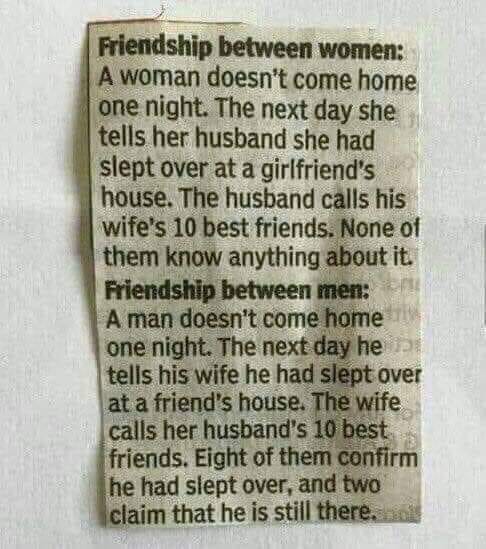 12/19/2023 4 Comments Winter Solstice 2023, Predictions 2024 Why is the Winter Solstice the best day for a honeymoon?
It has the shortest day and the Longest night 😊 hehehe The winter solstice, a time where the veils between worlds are thin, we pause, reflect and plan for the year ahead. December 21st is the first day of winter in the Northern Hemisphere when the earth has its maximum tilt away from the sun. As the daylight hours lengthen, it is a reminder to welcome the light within you.... your christ consciousness. Christians worship Jesus, as an example of this light, other older tribes, cultures and traditions attach directly to the Great Spirit within our natural world. All living things celebrate the sun as a source of light and love. Your outer reality is a reflection of your inner world so that once you recognize and integrate the light and dark within yourself, you play more effectively in the matrix. The dualities of our earth and sky, the sun and the moon, the light and dark, the good and bad are both within you. The more you attach to your angelic persona, the more demons you will see in the outer world. The picture above of the winter scene is so beautiful because of the different contrasting densities of light. Even the shadows are cast from the light.... so really what is there but light and love. We are all doing the best we can with what we believe, know and have. Thank YOU for your unique expression of YOU. According to their values, even the globalist may feel they are doing a good service in culling the human herd to save the world. The depopulation agenda has been on the table for a hundred years, you may choose to be a silent participant in it or instead help create a new plan and world vision. I imagine our human heart to be a prism by which light is filtered, those with the purest crystal hearts are able to integrate all the rainbow of color back into the primary sun-filled beam. Read more about integrating yourself in the solstice in this previous article. Astrologically speaking, 2024 will be another ridiculously amazing year with many of the same themes. The article Revolution to Evolution, details Pluto's dive into Aquarius but as you may guess from the title and what you are feeling, humanity is going through a massive shift in consciousness. It is uprooting the old Capricorn structure and we'll come out at the other end of the car wash in 2044 looking completely different. The last time Pluto passed through Aquarius (1778 -1798) we saw a revolutionary period that changed the way the world viewed power, money, technology, human rights and society as a whole. The American Revolution and the Bill of Rights were enacted during this time. In the dawning Age of Aquarius, astrologers agree that this transit will be just as revolutionary! You can't run from your shadow, the only way through is to face it, embrace it and transform it into love. Uranus is in the middle of its run in Taurus so the unexpected shake ups in values, finances and self worth are reaching a peak. Uranus's last Taurus transit, from 1935–1942, coincided with the Great Depression and WWII, an age of dramatic scarcity and unprecedented power which uprooted Taurean themes in science, culture, and diplomacy. Uniting the higher mind of the Aquarian collective in Pluto and the unexpected happenings of Uranus in earthly resources of Taurus, chaos continues in world markets and the fall of the fiat currency. Hard assets like precious metals of silver and gold, land, organic food and real estate, natural resources are places to invest to ride out the financial storm until 2026. Crypto currencies as a new technology appears to be a good way to decentralize power but those who own the internet, control all the transactions within it, careful consideration with this and all internet transactions. Chiron (wounded healer) continues in Aries (personal wounds of self identity) until 2026 so this is a second proof that this current "spiritual war/great depression" continues through to 2026. The wounds are helping re-define and re-discover your identity. Saying "NO" to that which doesn't serve your highest good is still on the agenda. This would include shots, geo-engineering of the weather, spraying of nanotechnology and radiation of cell frequencies. As always silence gives consent for it to continue. Jovial Jupiter rides with Uranus for the last leg of the marathon this year so we will feel more encouraged and hopeful about the changes. Saturn stays in Pisces for the next couple years so this suggests the world is still having difficulties in creating boundaries and structure. Many are going with the flow because they have not yet found the love and wisdom to stand up for themselves. June 2025 when Saturn moves into Aries the boundaries and structures become more defined. Guide the process and encourage the collective by living into your Christ-like consciousness. Reality and fantasy may blur when any planet is in Pisces- intuition and emotions color reason and the season. Dancing with in the Stars, Saturn, Chiron and Uranus play the pitch to add to the music of Pluto. To summarize, Uranus moves out of Taurus in 2026 suggesting world finances become more predictable but Pluto will take 20 years in Aquarius to transform the collective (2024-2044).... The Age of Aquarius. The first few years in and out of a sign for an outer planet are generally more intense. This is what we are experiencing currently. Based on these astrological events that span over the next few years, this video discusses interactions of biology and technology in transhumanism and lists a few recommendations for 2024. This year, the themes will be similar to last, however maybe more intense because they effect more of the collective. More and more people are waking up to the greater agenda in 2024 but not until 2026 are we likely to feel some relief from personal wounds of identity and see more predictability in world financial markets. Returning to "normal" old comforts of the past is not in the cards.... we are transforming and finding a new way of being in the world. Great to be alive at this time to witness and embrace the new advances in our evolution. We are experiencing WW3 and the world revolution wrapped up in one big burrito! Take little bites, chew slowly, allow yourself time to digest and adjust to the changes. Right on the border of order and chaos is maximum growth. These are general themes and recommendations for the collective but to understand how these transits affect you personally, connect with me or another astrologer for more specific analysis. 1. Take care of your own health. Strengthen your immune system. Avoid wireless technologies. Filter water. 2. Invest in local farms, small business and precious metals and consume organic, nonGMO, non-injected meat & produce. 3. Do more of what you love and share with others. Those who live a purposeful existence live a longer life. 4. Create joy for others and you will see it doubles back around to find you! You maybe the answer to someone's prayer. 5. Judgements on others are reflections of those you have on yourself. Release them. Do you. Seed kindness. 6. Reforming current governing structures is a monumental task. Find your area of genius and rise into your greatness. 7. Turn pain into purpose. Be your own advocate and activist in educating, irritating and legislating new laws that protect our earth and all the life upon it. Chiron in Aries suggests you keep feeling the personal wounds until you stand up for yourself and create the life you love. 8. Foster gratitude and live in this moment. Our fears and anxieties of the future drain the power in the NOW. How grateful are you for your life and your humanity? Show the world your grace, love, power and wisdom in being the best and brightest version of you! There is lightness and darkness within the world and within yourself. Where you look is what you see and the reality you experience. Note the injustices, do what you can to bring them to light, then let them go. Focus on a loving universe that holds you in every moment and send this ripple of love, power and wisdom out into the world to create the changes you'd love to be and see ..........Through the darkness of the night, release now your eternal light. For those who are called in love and grace, channel through the potential of all time and space. Those who understand, do. Wishing you and yours, love, joy, health and abundance in 2024 ! Lovingly submitted Dec 19th, 2023 on a second quarter Aries Moon Solstice blessings to you and yours. Wishing you a beautiful day filled with all that you love ❤️⭐️🙏 May your body-all your systems, organs, tissues and cells continue to balance and heal. All psychic cords and darker energies attached to you are severed as you rise into optimal health of your divine structure. Challenge your mind to soar into the unlimited possibilities of this wonderful world. Focus your eyes to see the beauty in every morsel of our existence. Allow your courageous heart the freedom to love and to be loved. May the Great Spirit of unconditional love surround you and remind you of your power, love and wisdom to create your reality, as you bathe in the beautiful glow of the Sun. 11/15/2023 4 Comments Detoxing Covid Image Courtesy: Shutterstock A great time to slice and dice away old habits and myths after a New Moon Scorpio and magically manifest a new reality with the seeds we sow. Detoxification is a large topic, now that we have created toxins to poison the air, water, food and directly injecting them into the bloodstream. For every problem there is a solution, sorting the perfect one for you is the art of healing and a journey that we are still exploring together. This article, shares some natural health ideas, detoxification suggestions and resources to help you on your healing path. Let’s address a few definitions and myths before we begin to ensure we are on the same page. Pharmacy- is a "combination of the Greek term pharama -to charm, enchant and pharmako- magic, charm, cure, potion, medicine. The Flexnor report of 1910 discusses how this pharmaceutical strangle hold on medicine began and why the fear based model was created. Virus- "ios, derives from the ancient Greek verb iimi, meaning ‘to move, the poison, the toxin." There has never been a virus identified on a microscope. The word virus from its root suggests the body’s reaction to a poison, not a spooky computer generated lab sequence. There are bacteria, fungi and parasites that often present with “viral-type” symptoms and some of the diseases that we call “viral” are garbage bag diagnosis for that which they have not been able to identify as a cause of the symptoms. For example, Dr. Ryan Cole, pathologist suggest there is no flu season, just a low vitamin D season. Covid- Certification Of Vaccine Identification? A social genetic experiment, injecting a nano size operating system in self assembling parts. The good news is if one shot was going to kill you, likely they wouldn’t need to repeat the dose and give boosters. Wherever you are now in your journey, if you are still alive and kicking, it is the perfect time for a healthy focus. The PCR test- Polymerase Chain Reaction was used as a method of introducing pathogens into the nasal cavity and frightening the population to inject themselves with poison. There is no scientific bases for this test in diagnosis of an active infection and amplifying the specimen skews any result. Remember when the Tanzania President John Magufuli found the papaya fruit had a positive PCR and suspended testing? President Magufuli's findings almost ruined the global "plandemic" and he endured a similar fate to the inventor of the PCR, Kary Mullis. Both came to untimely deaths as the world was scheduled to line up for the test and warming up to the idea as shots as the only solution. You can’t detox your body from a genetic experiment. Many are trying to sell you the antidote to the covid injection, but i haven't yet found any way to reverse the non-biological components in the operating system. At the link of The World Council of Health you can download a pdf reference with supplement recommendations of Vitamin C, D, Zinc, NAC, Magnesium, iodine, nattokinase.... suggested as ways to improve your immune system and reduce spike protein inflammation. Tony Pantalleresco is the only one I know who addresses the nanotechnology and even the electromagnetic device he calls "the triangle" is not recommended for those who have had the covid shot. The spike protein is actually your own bodies response to the injected poisons. The biological components of animal DNA, glyphosate and heavy metals, we have seen before in other toxic shots (erroneously called “vaccines”) but the covid injection with the help of a lipid nanoparticle, brought the mRNA intracellularly. Apparently, it often splices with your DNA and becomes part of your own biology. Health Canada now has been forced to admit this covid scam was actually a genetic experiment containing DNA. When the media had everyone buying toilet paper for a respiratory virus, they knew they were ready to unleash more viral fear variants. “The individual is handicapped by coming face to face with a conspiracy that is so monstrous that he cannot believe it exists” J. Edgar Hoover. First director of the FBI Healing Principles: 1. The body has innate healing. People and practitioners that honour the wisdom of the body, generally have greater success. A headache for example could be a sign of dehydration, cell phone radiation or heavy metal poisoning and not due to lack of Tylenol in your system. If you are vomiting or having diarrhea the body could be trying to get rid of a ingested or injected toxin. Taking medication or supplement to suppress these signals is like disconnecting the engine light in your car. The problem is still there but now you can’t see the warning signs so it becomes more serious. Even Cancer is a sign of an immune system that is over-taxed and not working properly so to medicate, irradiate or remove a tumor without understanding the underlying problem, creates more dis-ease. 2. What you abuse or don’t use, you lose. What doesn’t kill you makes you stronger. These were phrases I first heard Dr. John Donofrio repeat in a chiropractic board exam course and has proven to be useful ideas in my 30 years in healing professions. If for example you are not moving your body, your muscles atrophy and you lose flexibility and strength. On the contrary, if you are overusing your body you may create abnormal wear and tear or repetitive strain injuries. If you consume in excess food, drugs, alcohol or artificial chemicals in general, you will create an overload in the detoxification organs of your liver, lungs, lymphatics, kidneys and skin. But also in the reverse, exposing your body to minute amounts of different bacteria, fungi, toxins or parasites can stimulate your own natural immune response. Moderation- the mean between extremes- lies the healing magic. Instead of eliminating the invader and fearing the environment, more natural it is to embrace and engulf it like a white blood cell and trust in this innate wisdom of your divine structure to naturally heal you and make you stronger. 3. Fear is a virus. Love is the Medicine. Many medical peoples in both the pharmaceutical and natural health businesses often sell you the solution to your own fear, so in essence the pill or potion prescription takes the healing power away from the individual and puts it into the hands of chemical companies. The first medicine men and women of the tribes were also the spiritual counsel, and would present the solutions as a sacred bond of spirit to matter. The condition of our mind and heart affects our physical structure. We see evidence of this today in spontaneous healings or ability to walk over hot coals without burning the skin. They have created a condition of the mind that allows for healing. The brain releases “Molecules of Emotion” as Nobel prize nominee Dr. Candace Pert (psychoneuroimmunologist) writes in her book to heal or harm the body. Cell biologist Dr. Bruce Lipton in the Biology of Belief or Neuroscientist Dr. Joe Dispenza, The Thought that Changed Your Life also scientifically support these ideas that our cells are constantly eavesdropping on our thoughts and making physical changes in the cellular structures. What you are saying to yourself becomes evident in your reality. Even more minuscule than the cells are quantum particles that are also entangled in the matrix. Quantum physic concepts like reverse polarity of entangled molecules (“spooky action at a distance”) demonstrates that matter is under our conscious control. The fact that we create our own reality by our beliefs, thoughts, words and actions is common knowledge from spiritual leaders like Gandhi and scientist like the ones mentioned above but they appear to be uncommon in healing practises. The epigenetic factors of food, air, water, thoughts and beliefs have the ability, according to Dr. Lipton, to turn on and turn off genetic expression. 'Mind over matter', 'thinking yourself well' and 'raising your vibration' are concepts that must be revisited now when there is no obvious physical solution to the genetic modification. Many well- meaning healers and researchers are seeding their own fear into their audience by their words and their actions. Planting ideas of healing and inspiration creates this reality. Louise Hay, Cancer survivor/author/publisher and Dr. Bernie Siegel, oncologist both suggest a terminal diagnosis means we must go within for the healing solution. Many travel great distances, go through tremendous pain and anguish, to realize the power to heal has been within them all along. The greatest healers help you attach to this divine power of healing. Mantra : I have divine health from my toes to my nose and my body/mind is continuously bringing me to higher levels of health. “Love is the Medicine, if it doesn’t work the first time, double the dose” ~ Old Indian proverb. When beginning a detoxification, whether it is chemicals in your body or ideas in your mind you must create a path of exit. The skin, bowels, liver and kidneys are the most common ways to excrete chemical toxins. A few suggestions: ensure your bowels are clear with a coffee or baking soda enema; skin brush to remove dead skin that could trap toxins excreted through sweating; castor oil pack over liver and water fasting 12-50 hours to stimulate blood flow and excretion of stored toxins; drink filtered, spring or distilled water to flush out kidneys. Frequency technologies have also been used since 1920 as a powerful detox. Royal Rife, inventor of the first live blood cell analysis microscope found that certain frequencies killed parasites and cured cancer. Klan mother Karen discusses current scalar wave technologies here in the Genius system. The biofield that extends 6 feet around our body is actually our largest organ so that what is around our body also affects our health. The Demartini Method is a coaching/counselling tool that is transforming the field of psychology in uniting this principle of spirit and matter that works on a higher plane than EMDR going beyond neutralizing the trauma into a higher frequency of grace. Balancing your mind, detoxing old neural pathways is a key element in healing that also affects your energy, aura and biofield. Only you can unlock the doors to the prison of your own mind but having a therapist or coach ask you the right questions, helps you find your keys. The information in this article is not meant to treat or diagnose any medical condition… especially one that a regulated body may reprimand me for recommending. Although, many government regulators are still playing the covid chess game so when you come out of the closet, you are in a field all to yourself. It would be a good idea to discuss this information with a primary care practitioner who recognizes the healing principles above and understands your specific condition. If for example your health care provider is not acknowledging that the covid injection is toxic, how can they develop a healing program for you who maybe injected? If your iron levels are low, it could signal an active infection. Iron supplements may not be the solution in these cases? If you have a stomach ulcer or interstitial cystitis, oral Vitamin C could aggravate the issue so you may require it an IV so as not to further damage the digestive lining? Vitamin D3 is recommended with K2 for most but you are light skinned living in a sunny climate or dark skinned living in a northern latitude the dose would vary. If your symptoms are from radiation from a cell tower, you must remove yourself from the microwave before healing happens. Calcium supplements may help but too much may cause kidney stones. If you have a splinter in your foot or a subluxation in your spine removing the obstacle deals with the problem instead of covering up the pain with a medication. Instead of adding to the problem, sometimes the solution is to remove an obstacle to allow your body to default to health. Removing genetically modified foods sprayed with chemicals and drinking filtered water to remove toxins are a few other simple examples to illustrate the sacred contract between you and your healer who has to be a detective to find the best solutions for YOU. When you and your health care provider have a mutual trust and you feel loved and cared for, likely you have secured an optimal healing environment. Keep searching until you find this relationship. Unconditional love creates a protective shield from more dense energy. Connect if you would like to book a consult or for a referral to another healer to guide your process. There are more detox programs out there than Hershey's has chocolate, so how do you know which one is best for you? Candida cleanse with garlic and caprylic acid; Bacteria cleanse with colloidal silver and oregano oil; parasite cleanses with wormwood and black walnut husks; heavy metal detox with zeolite (controversy as it contains aluminum), diatomaceous earth (controversy as it contains silica) or activated charcoal (C60 controversy as it acts like antenna); peracetic acid also helps break down nano tech (Tony's recipe from video 16 oz peroxide, 16 oz white vinegar, 32 oz distilled water). Having a holistic healer assess your issues can give you objective feedback and you work as a team to uncover the reason for your symptoms. Most health issues are a combination of physical, chemical and mental imbalance. There are a many practitioners... chiropractors, naturopaths, homeopaths, bio-magnetics, psychologists, massage therapists, shamanic healers, reflexologists, biofeedback healers, holistic medical doctors and nurses. Each offers a different piece of puzzle. Research for yourself and take the advice that resonates with you. Their objective history taking and testing helps uncover healing clues. A great healer see the bigger picture, outside of promoting their own products and works with you to help you discover your maximum healing potential. Be wary of those who think they have all the answers or trying to sell you the one solution. Ego blocks higher wisdom. One who creates an environment of humble confidence and a curiosity about you is most powerful. In a state of grace and love they are able to channel higher healing to you. "The leaves of the trees are for the healing of the nations." Revelations 22:2 Much of what we require to heal is already present on earth. Herbs and essential oils were used by ancients before pharmaceutical companies took over the monopoly of healing. Tobacco essential oil may be helpful for unlocking the spike protein from the nicotinic receptors that trigger neural transmission. Dr. Bryan Ardis in the docuseries Propaganda Exposed suggest some “long covid” symptoms may be helped even chewing nicotine gum and taking melatonin. In the same episode 4 of this series Homeopath Robert Scott Bell suggests some of the remedies for snake bite also helps with “covid” symptoms. Health ranger Mike Adams loves chlorine dioxide as his first line of defence against any bacteria or parasite he may pick up in the environment. Foolish it is to think that we can perfectly separate the “vaccinated” and “non-vaccinated” as these chemicals are being shed and shared now in our culture and in our ground water supply. Halifax Water through Dal water even has a covid 19 watch website where they use magnetic beads to test for a "non-existent virus" that is more likely the metallic nano tech. Like DDT, you can’t release a toxin in the environment and contain it, we are all part of the matrix. Researcher Dr. Ana Maria Mihalcea, M.D., Ph.D., is a Certified Chelation Practitioner who has been studying the COVID-19 "vaccines" and their blood effects extremely carefully. The Quantum Dot Nano technologies emerging are self replicating and self producing at a microscopic level inside our bodies clearly exists and requires more investigation and research. Other scientists of the Lazarus Symposium shows similar findings where the injected blood looks similar to the uninjected blood, in that both contain non-human self replicating technology just that the "unvaccinated" in the past and present, in all vaccine studies, have healthier immune systems. Reducing your exposure to contaminated food, blood, water and people, keeping your own body alkaline, your vibration high and then having some healing protocols in place are your best bets. Many medications that are marketed to help with parasites and cancer also have nanotech in them. Several brands of Ivermectin for example were tested by Klan mother Karen Macdonald to have this biometric signature. Do you trust the same pharmaceutical companies that just injected a bioweapon into the population to now give you a healing solution? Chlorine dioxide is the best natural antibacterial, anti-parasitic, anti-fungal without any known side effects and you can make it easily at home. In summary. It is great for you to do your own research so you can captain your own healing ship then have a holistic health practitioner who can help you develop specific protocols. There are some general guidelines from the World Council of Health for the biological part of the shot and optimizing your immune system function. Supplements, Genius Biofeedback (frequency healing), chlorine dioxide, enemas, detox baths, fermented foods containing pre/probiotics, Tony's electromagnetic triangle, homeopathic remedies, coconut oil pulling, essential oils, rebounder, skin brushing, castor oil packs, intermittent fasting and CBD oil are some choices. I also use a splash of apple cider vinegar or a pinch of the bath soda and salts from the recipe below in my drinking water 1-2X/day. If you click through the links in this article you will find videos and resources to illustrate and support these ideas. The nanotech that has been injected is a little tricker to detox and from my research it appears to be more of a management issue in reducing the EMF or other external frequencies that power up the injected technology. The injected operating system, according to Tony Pantallescro, Sgt Pattie Brassard and Robert O Young, requires an acid environment to act like a battery to run the nanotechnology. Being mindful of keeping your body more alkaline is the healing key to many diseases, including the unique situation of injected, inhaled and ingested nano tech. Avoid consuming acid producing food and drink, reduce stress, breathe deeply and add natural baking soda or apple cider vinegar to your diet to keep your body more alkaline. Remember, there were shots in the beginning of the experiment that didn't contain the mRNA so if you are still alive and kicking without presenting symptoms, this is a great sign. Be thankful, keep your body in optimal health, institute detox protocols and avoid any further injected or ingested chemicals. What you focus upon and are grateful for grows... let it be to your optimal health. Resources: 1. World council for health spike protein detox: 2. Video How to make Chlorine DIoxide. (email for recipe) 3. Vaccine article https://www.healthtruth.blog/blog/vaccines-heavy-metals-and-cancer 4. Cancer article https://www.healthtruth.blog/blog/why-are-you-waiting-for-cancer 5. Health Canada confirms DNA in Pfizer shot. 6. Book Molecules of Emotion 7. Book Biology of Belief 8. Book Thought that Changed Your Life 9. Book The Ph Miracle. 10. Article Raising Your Vibration 11. Video enemas, skin brushing, rebounder 12. Video fasting and urotherapy 13. Video: Healing Cancer with rife frequencies 14. Video: Healing with Scalar waves 15. Website Demartini Method 16. Video Tony Pantalleresco and Triangle Bath (Tony's contact details below video) 17. The Lazarus Initiative Symposium live blood cell analysis. https://www.facebook.com/sacha.stone.7/videos/1760109047764750 18. "Unvaccinated vs vaccinated" in previous comparative studies: https://childrenshealthdefense.org/wp-content/uploads/Vaxxed-Unvaxxed-Full-Presentation-Parts-I-VI.pdf Other video recommendations from Klan mother Karen. klanmother13@gmail.com https://rumble.com/v10g2r9-graphene-oxide-found-on-masks-nasal-swabs-not-just-in-vaccines. htmlhttps://earthheroestv.com/programs/celeste-solum-on-covid-nasal-swab-tests https://jasonliosatos.com/celeste-solum-covid-vaccines-dna-barcoding-quantum-dot-nano-particles-hydrogel-pcr-testing/ https://www.drrobertyoung.com/post/the-mindset-of-dr-robert-on-lucifer-s-liquid-peg-hydrosol-mrna-ai-parasites-pcr-swab-vaxxxines https://www.drrobertyoung.com/post/the-mindset-of-dr-robert-on-lucifer-s-liquid-transfection-ai-parasites-pcr-swab-jabbs-part-1https://odysee.com/@psinergy:f https://www.mynaturaltreatment.com/natural-alternatives-to-ivermectin/ https://www.midfloridanewspapers.com/highlands_news-sun/ivermectin-and-natural-alternatives/article_c29aa05c-0274-11ec-b217-6b7669c69da8.html https://www.mayoclinic.org/drugs-supplements/ivermectin-oral-route/side-effects/drg-20064397 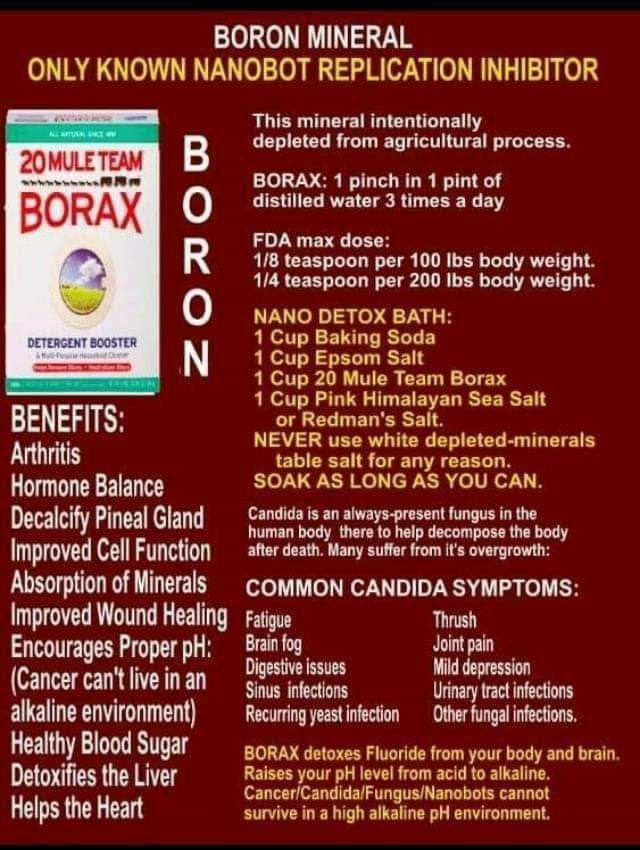 10/20/2023 0 Comments Native Traditions  Native Traditions may bring up images of feathers and drums but this article explores a little deeper than the song and dance. So deep in fact it extends into million year old archaeology and spans a few ice ages. The information could be dangerous in liberating you from the lies you have been told so for this reason it is not recommended for a general audience but for you- the reader who dares to know more. My own ancestral quest and the wisdom in the Clan mother documents and books of the late Meredith Quinn, inspired this article. Thank you to Meredith and Klan mother Karen Lucyk MacDonald for their vision and thank you to the Great Spirit for setting up this adventure. My own qualifications in writing about Native Tradition is a bit sketchy. The unexplained affinity for native culture and philosophies, maybe a genetic gift from my third-great-grandmother Selina. According to the white men text, the last known Beothuk in Newfoundland, Shanawdithit is believed to have died of tuberculosis on June 6th, 1829 but oral history seems to suggest some Beothuk intermarried with other tribes and races to save themselves from extinction. My grandmother Selina may have been one of these Beothuk escapees that survived execution by marrying Frederick Miller. Selina- a Native word to mean Sun (Sel/Sol) and Moon (lina/luna)- fell asleep April 17, 1903 at the age of 65. We have been unable to confirm Selina’s family name or history as there are no records of her before marrying my grandfather but some old Newfoundland relatives suggest that “she wasn’t from our area, spoke with a different accent and may have been Irish, Scottish or some other nationality”. If she was Beothuk, likely this secret kept her alive and gave me life to write about it. Old census records indicate her birth was April 17, 1837 and tuberculosis was her cause of death. Being the first born girl of the first born girl of the first born girl for at least four generations, this matriarchal influence was likely natured and nurtured into me. Perhaps it’s time for native spirits to awaken. American Indians, so Meredith Quinn suggests, are bound by strict spiritual laws handed down from the Great Spirit to never do, say or pursue a quest that would change a person’s spiritual belief in a Supreme being. There is an understanding that each human has their own sacred path with the Creator, not to be judged or influenced by another. There is a humility in their humanity and confidence in divinity that trust all is just as it is meant to be. Clan membership is passed on to the next generation through the women. This law, as legend has it, was also handed down from the Great Spirit. Every person in the world belongs to a Clan. Clans make up a tribe. Apparently, you can’t be a tribe, if you don’t know your Clan. Although, my grandmother used to say “you know your own”. Some maybe wearing the badge or the collar but have forgotten the creed. There is a Ritual or Rite, a song and dance gathering that must be performed by the first-born leader woman of each clan before the clan leaves on a journey the ancients call The Great Migration. In tribal circles, there are no middle men to write books of comMandments, maps and Mandates. In fact the protection of this wisdom is because it hasn’t been written. The Great Spirit doesn’t have a pen ;) The love and wisdom are so sacred that the written word dilutes the meaning. In recent years this innate wisdom has been forgotten by many as we witness Indian Act Chiefs slave signing away their sovereignty for a government paycheque. Weak men seek outer fame and recognition to compensate for their inner low self esteem and scarcity mentality. They have forgotten the power of the Clan mothers working within in a legal term of Causus Omissus (which means case omitted) as the exception to the law. Her rule was in an oral tradition that used to be known and respected not only by the Indians but also by the ruling class of civilized as the International law. Corpus Juris Secundum is an encyclopedia of United States law at the federal and state levels. In latin secundum means to follow behind or secondary. What they haven't told you is the Clan mother law is the Juris Primum or Supremus, which is the Primary or Supreme law that is not taught in law schools. Meredith Quinn suggest that the USA does not violate treaties but Indians who do not understand the truths of the treaties are the ones that violate them. The essence of Native traditions are found in stories, song or dance that moves the spirit within you. The ancients suggest the song and dance, wakes up the genetics and open channels to a greater power. They would know the song and dance ritual was successful because the Creator Great Spirit showed he heard the performance by creating a natural phenomena in the weather, in the sky or in the behaviour of animals. A communion with the native and nature. Language was a way of passing down oral native tradition but not as words or knowledge but as a story to create an idea. Ancients suggest knowledge ceases where wisdom begins. Wisdom encompasses both the seen and the unseen. Where “the seen, the seeing and the seer are the same. “ ~Yoga Sutras. The Indian language and written hieroglyphics date back 13,000 years and are not easily translated to English or any other civilized language. Mic Mac Chief Hector Pictou gave me an example of this in the word “Nepisiguit”. In the civilized world it is the name of the river in New Brunswick but the word in Mic Mac actually relates an image and a feeling of serenity and calm as you are paddling around the edge of the river with trees that hang over the water and you are moving under neath them with their protection. In English, we require a whole sentence to describe just a morsel of the meaning of this one word Nepisiguit that reaches into all the senses and tells the story of an experience. Civilized languages are expressions of an ancient story. Therefore our system of communicating is twice removed from the ancient basic science, so truths are clouded. This is a unique situation in Indian language where one word or symbol represented an idea, a narrative and had a concept or theme that another Indian hearing the word could finish. There is no direct english translation. It's no wonder the residential schools (ran by the churches and government) would beat an Indian child to death for speaking their native mother tongue. They obviously knew the power that it held in every dimension. Bringing back the ancient language and tradition would be a great focus. A focus for the Clan mothers not by the governments who are capturing the culture by selling sovereignty to a sovereign, like selling ice to an eskimo! The ancient Indian culture is geared toward the children, those current and those yet unborn. The Medicine and Prayer wheel, the fire disc, the Gau, the song and dance are all for the children. The stories and legends are to teach the young to relate to all creation. The natives live and breath to make a better life for the children. My maternal grandmother lived with us my whole childhood and she lived with her maternal grandmother too so we had double matriarchal influence of our mother and our grandmother in our households. In tribal tradition, there is great care and respect the wisdom of the older generations. The idea that children were gifts from God wasn’t just stated but found in the many stories and songs about love and the time they spent making us feel like gifts. Our four generations would often get together at the same table to share a meal with love, laughter, music and song. Everyone had a voice but the women were the law. If the men didn’t behave they may have gotten “a pot upside the head” heheheheh. Kidding, I never experience any type of family violence but all knew the women would go to great lengths to protect the kids so the men honoured them and never tested their wisdom. The grandmothers ruled the roost and were the judge and jury for any family disputes. They were respected within the community and all took part in church services and spiritual meetings. They would visit and have prayers with those who were sick, imprisoned or give shelter to the homeless regardless of their race, religion, colour or creed. Two of my grandmothers played the organ, some were healers who would birth babies or prepare a deceased community member for a wake, all were singers and dancers with a wonderful sense of humour so in general people loved to be in their colourful company. At the root of all their loving service was a trust in a higher spiritual power and a deep love, care and respect for family. My grandmother would say, “you children are my life” and we really felt like we were. My mother took care of her mother and her grandmother and my great grandmother took care of my great-great grandmother as they aged so the elders were part of that life too. In previous articles, I’ve discussed this wisdom buried in the grandmothers. There is so much of our history that gets buried but certainly an Archaeology site is a scientific way to dig up the truth. In 1915-1916 the bones of human remains were found at Vero along the east coast of Florida along side and in association with Pleistocene animals. Other similar finds were located in Melbourne, Florida in 1923-1929. Human remains and Dinosaur bones were obtained side by side. These archaeology findings mentioned in New York Academy of Sciences May 1950 suggested that Indians lived in the time of the Dinosaurs! Several conclusions can be drawn from this amazing discovery. 1. The Indian bones were petrified among the bones of extinct Dinosaurs all of the same age, so the Indian has remained the same in body and lifestyle as the Indians of today, so he cannot be included in Darwin’s theory of Evolution. 2. It gives the time line of the last ice age to be within 2000 years. 3. Because the petrified Indian was the same as the Indian of today in body and lifestyle, it suggest he has the science that gives him the knowledge on how to escape the global catastrophe of an Ice Age. Some Indians survived as they are still walking the earth today where the dinosaurs are no longer with us. The ancient translation of Time Walkers states “The present minus the past equals the future”, so perhaps our journey into the truthful past may bring us into the knowledge of truthful future. I have a sense that our behavioural and philosophical differences during the present “plandemic” reflects differences in our DNA. Those who are not easily fooled by the laws of men must have a clearer channel to a higher authority. It has been suggested that when there is no where to turn, personal tribal genetics are activated. Perhaps, the challenge is waking you up to your power? You know your tribe not by what they say or how they look but by their eyes, their actions and their heart. Allow this information to give you comfort and trust in your inner wisdom and guidance. Before we close, let’s collapse a few other myths to give you greater vision from Meredith Quinn. Noah’s Ark was a treaty and not a boat. Ptolemy, a 2nd century mathematician, astronomer and geographer, that formed our basic understanding of the motion of stars and planets, belonged to the Kleopatra tribe. He was selected by his sister who was a Head Clan mother to be the authority. Cleopatra was also a Clan mother that was made Queen because she reminded the Roman Senate about a tribal treaty with the Kleopatra tribes 1000 years earlier. She ruled Egypt for 20 years before she was killed by the Roman Senate. Columbus, born in Portugal, didn’t discover the Americas, he picked up the maps from the International Court in Hague of trade routes with the Indians. This information was buried with the 10 million Indians he killed in his travels. George Washington created the Six Nations in the US and the Seven Nations in Canada, then signed treaties with both of them with court acknowledgement that the Bear Clan Mother was beyond the man made laws. An Egyptian monument confirmed the same in the Red Granite Obelisk establishing that the territory rights are invested in the Causus Omissus or American Indian Clan Mothers. There are many other ideas that we have been taught that are lies to keep you from knowing and appreciating the true power, love and wisdom of our ancestors that is birthed into you. As I am learning, so shall I share with you in future articles and publications but today and in celebration of our upcoming Halloween/Hallowmas/Samhain-a holiday to honor the ancestors, the Vero and Melbourne men are the skeletons we pulled out of the million year old closet. You are older than you look and richer than you think! The implications of this history may help you see the current environment with a wider lens. Many are waking up now to the scam of covid, but lose themselves in victimhood and retaliation instead of focusing the energy into themselves and their community. Without a memory of their greatness, some feel the need to keep sharing the deaths and horror stories, stirring dense emotion instead of rising into the lightness of love and joy and co-creating the future. Some “rights and freedom” groups are selling you on the “hope” of a better future instead of reminding you that you have the tools to create it. Ancient Indians suggest that “Hope is the Puzzle of Fear”. The medieval prayer ritual of “Power, Wisdom and Love” was changed in more recent biblical modifications to “Faith, Hope and Charity”. The later encompasses desire and expectation of fulfillment outside yourself. With this partial view, they can sell you the dream, as you see your reality being beyond your control, hoping for the best instead of creating the best. They use fear and emotion to enslave you into the scary world of diseases, viruses, wars and death, put upon you by the wrath of their mortal God. Then they sell you on the solution, to the problems they have created. The way home is the way home. You who have ears to hear and hearts to feel this message are elevating your vibration. Bless and dismiss that which no longer serves you, connect with nature and remember, remember, remember your cosmic heritage of unlimited love and light. Instead of spending hours in an artificial reality of social media, use that time to learn a new skill, create a food source and a community with those you love. Be with your tribe and give your service. You will know them because you are elevated in their presence. Move out of the 5G city, secure food and water without the chemicals and re-connect to the land. Nature freely shares her secrets, get quiet enough to hear them. You can still share information and champion change but with your actions as much as your words. Gandhi’s phrase “being the change” has never been more true. Fill yourself so full that your love and wisdom spills out into others. Trying to give advice or suggest a course of action that you don’t already own won’t work. Being congruent in thoughts, words and deeds you have more power to design your destiny. I had a dream the day before the solar eclipse Oct 14, 2023 that we are passing through a portal from one room to the next. Take a deep breath, dive deep, kick hard, swim stroke with power and certainty under the wall into a beautiful new world. We can show others the way but they have to swim for themselves. The swim itself is the right of passage. In my dream, I was a little sad about this physical separation from some loved ones but the female presence showed me the limitless love and light that encompasses it all. Resources: Beothuk history: https://www.heritage.nf.ca/articles/indigenous/beothuk-disappearance.php. Wisdom in Grandmothers: https://www.healthtruth.blog/blog/is-sophia-hidden-in-your-grandmother NY Acedemy of Science: https://nyaspubs.onlinelibrary.wiley.com/doi/abs/10.1111/j.2164-0947.1950.tb00970.x Cleopatria Clan Mother: https://www.healthtruth.blog/blog/astroturf-astronomical-vision Meredith Quinn- The Dakota Time Walker & Proclamation Meredith Quinn Tribal Law : https://www.youtube.com/watch?v=mWdutxBVvZI Hieroglyphics:https://educationnewscanada.com/article/education/level/university/1/969547/preserving-indigenous-languages-for-future-generations.html Oct 20, 2023 Mercury conjunct Sun square Pluto and Mars in Scorpio. Insights, messages, purpose unleashed through uprooting. If natal Mars and Venus in Scorpio is in the 4th house, this ancestral effect is magnified.  10/1/2023 0 Comments Astroturf & Astronomical Vision It has been a journey coming back to the stars. Some of my Newfoundland ancestors would call in a “seer” to find people lost in the woods or to locate a body drowned in a frozen lake, so the concept of tapping into other dimensions was familiar but as a child I hadn’t quite understood that the sky could also be used as a navigation system into these divinely orchestrated mysteries. I'd felt a connection and a hidden order in the universe but not until 1998 did I start studying Astrology. I had my children’s natal profiles printed into a detailed document with an astrologer and was fascinated by how the wisdom of the stars guide us. Amazing two children could be so different. Such is the gift in the balance of complementary opposites that the universe lays in our path. Evaluating their natal charts and my yearly astrology appointments helped me to trust in the power of the love and truth that shines through in the twinkling bodies in the heavens and to support our own unique expression. It seemed many wise men followed Stars, so I began studying formally with my first teacher in 2014. "I’m an Aries, Capricorn, Taurus, Gemini, Libra etc.." This is the first comment people are excited to report to someone introducing themselves as an astrologer. It is so wonderful how our human spirit seeks to find familiarity and unity. I love it. However, identifying with just one Astrological sign is very vague and limiting. Astrology is a complex science that began in 200 BC and this one discipline laid the foundation in fields of mathematics, physics, psychology, biology and chemistry. Knowing your Sun sign and horoscoping about it, is like attaching to a label of being blond, brunette or a redhead; it is just a drop in the bucket into the ocean of you. In addition to your Sun sign, which is how most witness Astrology, there are 11 other planets that colour your character and decorate your uniqueness. You also have signs (aka constellations) of the Moon, Mercury, Venus, Jupiter, Mars, Saturn, Uranus, Neptune, Pluto. Then there are mathematically calculated points of nodes, vertex and intercepted signs and dozen of asteroids that all interact with one another to create your cosmic compass. With this planet map in your back pocket, you travel towards your true north path that gives you the least resistance into health, joy and abundance. Having these maps, help you better navigate your terrestrial existence. Thank you to Klan mother Karen MacDonald for gifting me the clan mother documents of Meredith Quinn- The Dakota Time Walker. In reading this material, I’m reminded about other cosmic lessons from nature and the answers that are found within in the sky. The marvellous mysteries in our histories are coming to light. Let’s take a detour from traditional astrology and dive a little deeper into our cosmic heritage that has been hidden from you for centuries. When you remember your real power, you are an unconquerable breed. For centuries, the church and state have attempted to block this power, love and wisdom from your awareness. Religious groups have been assigned to do the Prayer of Atlantis and sing the song of St. John the Divine on a full moon to block the song of creation so as not to wake up the Time walkers on the Indian reservation. Governments have injected toxins into the body, into the mind and into the collective of our humanity to dilute your power and belief in our own magnificence. Many have been genetically modified out of our divine birthright of 3 poles of DNA, told that we are born into original sin and put into slavery under church and state. The Flexner report 1911, shows how traditional medicines were taken over by the pharmaceutical profit machine and the natural healers and remedies kicked out of medical schools. Presently, we have a puppet government who keeps illegally taxing its population more and more every year. It continues because we keep paying it and funding the globalist machine. Did you know for example that 2-3% of your Canadian taxes goes to the wealthiest real estate corporation in the world- the Vatican! Even if you are not catholic the Pope gets a cut of your hard earnings! This is a good strategy for a ruling class to enslave the population making the rich get richer. The wealthy create foundations and get a 1% tax rate, while the small business man is taxed 50% on his earnings. Perhaps, by discussing some of the history, you cut the chains that keep you from your cosmic heritage. "I freed a thousand slaves I could have freed a thousand more if only they knew they were slaves." —Harriet Tubman The Dakota Time Walker book written by Meredith Quinn discusses the Great Law. The wisdom of the Great Spirit as passed down from generation to generation in the spoken word and in symbols that tell the story of our origin and existence. When translated to the civilized concept of intellectual ideas the Great Law may be similar to the true meaning of the Pyramids. The interior shafts in the Great Pyramid of Giza are “star shafts” made to align with constellations and mathematically constructed in a way thought to evolve consciousness and move into different dimensions. Ancient time walkers in many cultures claim to be able to pass through the time and space continuum. Meredith suggests “with what you call the Capstone and what we call the Toy is the mathematical formulas and equations for the Law on Infinity.” Have you ever wondered why the Indian cultures could see how their actions would effect future generations? The Dakota time walker, Sgt Pattie Brassard and Judge Alfred Lambremont Webre suggests stepping into a different timeline is the ancient secret. Mark Twain says it is not so much we don’t know but what we know that just isn’t so. The pyramids, crop circles, Egyptian art and Tartarian architecture for example are out there in plain view but our eyes couldn’t see the truth, until now. In Egypt, Sobek, lord of the crocodiles was among the oldest deities named in the Pyramid text and the texts inscribed on the walls of tombs. Why would Egyptians fear, revere and put the head of a crocodile on a human body and depict them ruling over the humans? Larry Moses believes this a proof of a ruling reptilian race that hides among us. Many believe the globalist machine at its roots, is a non-human form, where greed and money are the focus and human life is measured in profit. Have a look at the museum photos below to see the reptile head on the pharaoh. Clan Mother of the white Kleopatria tribes (aka Queen Cleopatria) in comparison has a human head and a woman’s body. She is nurturing the baby at her breast while the saints and soldiers are killing the human kids. Cleopatria has an interesting story that is described differently in the Clan mother documents than wikipedia. Being a wise woman with ancient talents, she recognized the Romans were hiding their Greek heritage and reminded the Roman Senate about a treaty the Rhomaikos had signed with the white Kleopatria tribes 1000 years earlier. She insisted the treaty be honoured and the stipulations met and they were. She was given the title of Queen Cleopatria and ruled Egypt for 20 years. They changed the "K" to a "C" because in Greek the Kleopatria name was associated with people who steal. Julius Caesar, as a great living anthropologist and antiquist, was infatuated with Cleopatria, not for her beauty but inthralled by her ancient wisdom in understanding and controlling the forces of nature. Julius Caesar was killed in 45 B.C. before he was able to share and document these findings of tribal sciences that he learned from Clan mother Kleopatria. Having command of the forces of nature, synchronizing earth and space time, was certainly a worldly asset. The conflicting calculations on the speed of light and time would have made the Roman Empire impossible to defeat. With Caesar out of the way, all that was left was to murder Queen Cleopatria who was the only outsider left that knew about the Greek Royalty. The Roman Senate sent Mark Anthony to win her favour. He won Queen Cleopatria’s affections and after 12 years she gave birth to his set of twin boys. After the births, Mark learned the earth time had to be synchronized with the universe and discovered the time period where Cleopatria would be most vulnerable for the Roman attack. Previously, strange winds and weather events protected her. Octavianus sailed into the Harbour of Cairo on the first of three days, 7 hours and 33 minutes to capture the city, kill Cleopatria and execute her twin boys. The internet today simply says she committed suicide by having a venomous snake bite her. If the snake's name was Mark, then they may not be too far from the truth. The Tribes of the world ruled the earth from 408A.D. to 1241 A.D. The ancient bible of 451 A.D. would refer to the “Sons and Daughters of the Great Spirit” and had rituals that honoured nature, animals and all living things upon our earth and in our sky. Tribal connection to the terrestrial and extra terrestrial forces helped them win the war against the Romans. Scholars and historians all questioned how was it possible for a few thousand white tribal warriors to defeat the great legend Armies of Rome. To find the answer to this impossible victory, you must investigate the journals on the trials of the Inquisition courts. The reports of a battle between the Romans and the tribal people suggests there was more to these Indians than just bows and arrows. Meredith Quinn documents quote, “The Roman Legions looked up and what they saw caused them to drop their weapons. There were ships or vehicles made of copper or brass. They could go up and down, forward and backward by a wild bright orange fire shooting out of the back of the ships which also fell to the ground that burned some of the soldiers and grass on the ground which caused the great Roman legions to run from the battlefield”. After winning this war, with the help from the Star nations, the tribes ruled earth for 800 years. In 1492 A.D., the descendants of this old Roman Empire discovered a different approach to tribal take over in purchasing original land titles from the White Tribes. The International court in Hague through the inquisition courts by jurisdiction from Secundum Lune Determinabantum now brought to trial the White Tribal descendants who were still in newly purchased Roman Territories. As of February 17, 1493 A.D. those who were now identified as members of the Aeries Empire still living on the land were killed. Meredith Quinn suggests the paper trail of the Rome’s Inquisition courts were covered up because they used the language of Medieval latin that was destroyed. They killed off the Moorish citizens, forbid the language to be spoken and buried that part of our history. The Prosecution attorneys for the Inquisition trials in the 1200’s had to give some explanation for the advanced knowledge of these tribal people. Outside of calling them heretics for adhering to the old culture of the ancient bible, the charge of Aerimantiaor, divination by Air-aeromancy was created. Using these iron birds to frighten soldiers in the battle field, they were given death as a punishment. In the Book, The Return of the Great Sophia on page 367, has referenced that 50 Million people were slaughtered for the crime of “heresy” by the Roman prosecutors from 606AD to the middle of the 19th century. During the burning times ( a period between the 13th and 19th century), over 80% of those killed were women and they were often herbalist or midwives with a knowledge of the plants, stars and the Earth. The bible revisions began after the 1600’s, often times adding a 180 degree twist to the truth. Instead of honouring the female as the keeper of creation in the matriarchal culture, she was written out of the bible. Feminine wisdom in sacred texts only began to resurface again 1940-50’s in the discovery of the Nag Hammadi Library and the Dead Sea Scrolls. Tricia McCannon's photo of the archaeology artifacts of the Acheulian Goddess is one of over 130 statues that have been recovered and is believe to come from an area inhabited by a hominid tribe that predates even the neanderthals. This may suggests that over two hundred thousand years ago, our ancestors believed that God was a female, “One who birthed the Universe.” Mary mother of Jesus in these new bible modifications became the side-kick virgin and his loving mate and co-writer, Mary Magdalene was turned into a prostitute. Children instead of being viewed a gift from God, were sacrificed for the body and blood of Christ and registered with a CUSIP number on a birth certificate to become wards of the state. Rabbi Finkelstein discusses this in a radio interview. Pedophilia became a common place with the priests’ “bum boys” on the altar and Indian residential schools ran by the Christian church and state, bet, raped and killed the Indian out of the child. When Jesus said let the little children “come on to me”, I’m quite certain he didn’t mean “cum onto him”. The bible was and still is used as a tool for manipulation and to turn inside out a loving intention. Why are we worshiping the dead corpus hanging on a cross in every Christian church in the world instead of honouring and remembering the life and love of Jesus? When something is exactly wrong, it works on the same axis of cognition so it is more difficult to determine the lie. It is a magician's trick to distract the eye with one hand while the other does something completely different. The current “safe and effective” slogan for injecting toxins into our blood and child protective services recruiting kids for sex trafficking, are a few examples of this type of trickery. In hiding that the true sources of love, joy, health and abundance within you, the globalist try to sell you the dream. You can buy some pleasure and temporarily numb your pain in sex, prescription medications, recreational drugs or narcotics. The more powerful the drugs, the deeper the pain. In this artificial jungle, your life rests in the hands of those who feed you. Your pain-pleasure appetites trap you in the survival energies of the lower chakras and stunts your growth and evolution. "Pain pushes you until your purpose pulls you into a joyfully fulfilled existence." When is your Saviour coming to save you? Part of the disempowerment gig is to create doubt in your own abilities and have you dependent upon someone else for your existence. The government and church give handouts and wave carrots of money and opportunity, promising this politician, priest, pope or prime minister will save you. If you aren’t rich, catholic or political and can't buy your way into heaven, then you are given the last option of doing nothing, settling in to a viable poverty income and waiting for Jesus to come save you. At least this way you are still under the control of the church and state and not causing trouble and unrest with the other slaves in the system. What if we could turn directly to the Great Spirit for advice instead of going through an intermediate? Middle men in church and state as you see, re-write their own laws and rules, change the content to fit their own agenda. Certainly the fruit of the Holy Spirit may be found within a Christ-like consciousness but do you believe the Great Spirit would reserve this cosmic awareness to just one person or saviour? What if this gift is available for many? The proof is in our ancestors and the survival of these principles of an eternal flame. Chief Seattle may not have been written up in the recent versions of the bible or even mentioned in the book Cosmic Consciousness but in his letter to the President, are the words of a man connected to the creator of life. Maybe those who don’t feel this connection to the Great Spirit of Creation need a Christ-like human to follow and a rule book, not trusting in the natural love, wisdom and power within them, in the earth and in the sky? If I were striving for the deepest eternal love, I’d not limit it to one human but extend the capability of unconditional love to every living thing in our multiverse. How can we summarize and pull all this information together to empower you? 1. First know you are a divine spark. The origins of our humanity being seeded from a cosmic source is proof of your greatness. Much of what you have read or have been told is a lie to disempower you. You are not a worthless born sinner who must go a lifetime paying off your sins. You hold the creator energy of this planet in your DNA, live up to it. 2. The ancient bible principles of loving and appreciating all life forms feels more intuitively true of our Great Spirit. A God who punishes you for singing in church during c.o.vid without a mask or eating meat on Friday is stuck in the old Piscean age in the pain and suffering of martyrs. Sons and Daughters of the Great Spirit balance the yin and yang energies into a powerful foundation from which you can grow into your greatness. The mother is to be honoured as she births the life of our species and has the love and intuitive wisdom to nurture, grow and groom the next generation. Separating the woman from the family, confusing the sexual orientation and discarding sacred teaching responsibilities is the root of many problems. When we put her back in the driver's seat in the Return of the Great Sophia, patriarchal doctrines collapse. 3. The Sun, Moon and Stars are a constant reminder of the love of the universe that is birth into us and your natal chart may be a helpful tool in navigating your terrestrial path. Integrating all the complementary opposites of your natal chart with grooming of life experience, you rise into the soulful centre into what some may call a cosmic consciousness. This consciousness is not reserved for one soul or saviour but open to all those who have the grateful, loving heart to receive it. 4. We are not alone. The science and schools of exopolitics created by Judge Alfred Lambremont Webre describes many universes. Omniverse is a term he uses to include the multiverse and their spiritual dimensions. Eternal limitless light and love exists in many forms with a Great Spirit or Source energy directing the flow. The ancient Indians had a greater connection to the star tribes and a more intimate relationship with nature. As the pendulum has gone far left into the linear path of the masculine, now it is swinging back to the awakening of the feminine to find a balance. As we integrate these dualities within ourselves the reflection has a cosmic glow. 5. Current challenges are pushing the evolution of our humanity. Having the courage to evaluate all our old belief systems, finding the gratitude for the magnificent stars we are and opening our hearts to greater love and truth, we shine, define and align to our cosmic destiny. The trinity of divinity in love, wisdom and power is the gift. References: (click through for links) Pyramids for elevating consciousness Pyramids aligned to stars Tartarian Architecture. Egyptian Art. Chief Seattle Letter to the president. Larry Moses and Klan Mother Karen on Crop Circles, Cosmic Codes and Egyptian Art. Sgt Pattie Brassard project panther- human genome project https://www.youtube.com/watch?v=iJaEnCTGJ9A&t=2068s 0- 55 min https://www.youtube.com/watch?v=nX83Fk7CgxE&t=3798s 42- 55 min https://www.bitchute.com/video/ozsD8X0C1niN/ Meredith Quinn Tribal Law : https://www.youtube.com/watch?v=mWdutxBVvZI Rabbi Finkelstein : https://www.bitchute.com/video/zXz2KwjYKZce/ You are the one: https://www.healthtruth.blog/blog/you-are-the-one Insophia: https://www.healthtruth.blog/blog/is-sophia-hidden-in-your-grandmother Ancient Bible ritual: https://www.bitchute.com/video/NBo0lEuoQw9Y/ Books: Tricia McCannon -The Return of the Divine Sophia Alfred Lambremont Webre-The Life and Teaching of Jesus & Exopolitics Richard Maurice Bucke- Cosmic Consciousness Meredith Quinn- The Dakota Time Walker & Proclamation Kevin Annette- Murder by Decree Del & Len Riley -The Last President Vladimir Megre -Anastasia Ringing in the Cedars 9/10/2023 2 Comments Raising Nature's ChildRaising Natures Child is a beautiful title, education program and intention. So fortuitous it is to have your child rearing manual and truth reference there at your fingertips within the sense and sensibilities of our natural world. When in doubt, look to nature for the solution. Nature knows best. Nature has been the inspiration for many works of art, mathematics, medicines, science and literature but have we really ever examined it as a reference to raise our children? The idea that we are connected to this natural rhythm and matrix is a profundity that offers tremendous comfort, joy, love and inner peace when we are open to receive it. The layers of illusions in the artificial matrix of technologies and the generations of human traumas, create veils over these natural truths. In judgement, we may even scramble to word “veil” to call it “evil”. If we assume light and love as the foundation to the universe, then anything less is simply a veil placed upon it. The truth once un-veiled, defends and grows itself. We all have a child within us that marvels at nature- the robin who can feel the vibration of the underground worm with its feet, the caterpillar that cocoons itself to transform into a beautiful butterfly or the mother bird who strategically builds an architectural nest of wonder. There is a wisdom, far above words into the binaural beats of nature. Nature’s song or frequency has many different tunes depending upon the music school. If you are in ancient Greece, Pythagoras suggested the celestial bodies play music. If you are a land-lover then you may resonant with physicist Winfried Otto Schumann discussing the song of the earth at a frequency of 7.83Hz. If you are a cosmic soul and sensitive to universal energies , you may see them all as colourful symphony playing out on the firmament of our earth. Recently, while wallowing in the depths of despair, I heard a foundational message to raising natures child. Many spiritual advisors suggest pain is the pathway to higher wisdom, maybe because it brings us to our knees in humble grace, we are able to fully surrender and open our hearts to receive. When the human heart breaks, it opens up to the heart of the universe to allow more love and wisdom to seep in. One of my adult children made a decision that broke open my heart and I worried for his life and health. It was such a hit that I spent two days in bed crying with the curtains closed and the duvet over my head, asking God to help guide the process. During these dark days wrestling with all the emotions, it is good to remember that through black holes, stars are born so good to keep moving through it. “The wound is the place where the light enters.” ~Rumi On the evening of the second day, still bartering with God hoping that I could toss the cards back into the deck and pull out another hand, I ask, “God, after all I have done how could you do this, he is my son?” ……………… I heard the answer that levelled my emotions, healed my heart, got me up out of bed, showered, dressed and didn’t look back. The song of nature, the voice of the Creator, the universal intelligence that filled my soul was…………. “HE IS NOT YOUR SON, HE IS MINE.” Your children, as Gibran suggest, come through you not to you. You birth their bodies, feed and guide them but ultimately they come into the world with their unique natal star print and soulful plan. The parent must learn how to best support their process and try not to get in the way of the holy flow. The love lessons that come to you from your children and from other family members are the ones most essential to your own growth and evolution. “If you think you are enlightened, go spend a week with your family.”~ Ram Dass Picture this…. a mother bird who spends weeks collecting little bits of grass and twigs to make her nest. How does she know how to do this? Instinctively, she chooses the perfect time, the perfect twigs, the perfect location to house, feed and grow her baby birds. Did she read volumes of manuals and parenting books? Did she listen to her own mother or family doctor? Did she follow the latest societal trends or government regulations? or Did she listen to nature's song and dance to its rhythm? A bird with a nest of babies is beautiful image of intense love and innate wisdom. However, if man interferes with this natural process, adding chemicals, radiation or other unnatural teachings to this picture, it creates friction to confuse the natural song. Under natural circumstances, that mother bird knows exactly what to do and how to do it without any other interference. Every mother contains the same magic, although in some cases we have been taught or talked out of it. If a breastfeeding baby is sick, the mother’s nipple picks up this change in the baby’s saliva and automatically changes the consistency of her breast milk! The breast milk for a sick child becomes more rich in immunoglobulins and even to the naked eye you can see changes in colour and consistency! Mothers in both their conscious and unconscious states are also recording the quality, quantity, colour and smell of the babies feces in a dirty diaper for feedback on what to eat or not to eat that maybe coming through in her breast milk and effecting the baby. Evolution has hard-wired her to be so intuitively connected to that child that her body will automatically respond. She hears the baby crying over the dog barking, the plane flying or the husband hockey game and her breasts will leak milk upon hearing that baby’s cry. Pause for a moment and ponder the magnificence of that creation! She, the mother is connected to all the power of the Divine Mother of creation in order to birth, nurture and groom our next generation. Our mother earth is similar in that she too is reading what we require. Seeds that are put in the mouth of the planter “reads” the deficiencies and will flourish and provide the farmer with what he needs. The Secret Life of Plants is a magnificent book that illustrates the psychic connection of plants and their communication with humans through quantitive polygraph analysis. The plants are reading our energies and responding to our requirements, in a symbiotic exchange within the matrix. Fantastic fungi is a documentary that also beautifully discusses the mother of our evolution and love affair with the earth. These concepts, books and documentaries maybe helpful for you in raising natures child. Children come into the world with an imagination, respect and curiosity about nature, wonderful it is to support that gift. If you put a beautifully well rounded child into a square hole of a school system, the child grows square. You can spend a lifetime trying to fight and change a system that has been grooming itself for 2000 years OR you can remove them from the cage and create the reality you and they love. The sexual orientation and gender discussions are to distract you from your truth. The gender neutral sock puppet with the orange pubic hair distracts them at school and you at home..... if you allow it. You know your choosing the best path when love, joy and learning go hand in hand. In an environment where the child is treated like a gift from the creator, they grow into this destiny. Fun d’ elementals of Raising Nature’s Child 1. Fire. Honour the will with reverence. Within the will of the child is the flame of their soul. This sacred fire is the wonderful manifestation of creative power and a formative shaping force that often points to the child’s mission or loving service within the world. Ask questions and provide space for them to fill it. The paternal punishing tone of the bible commands honouring your mother and father but what about honouring the child? If your mother and father are abusing you in any way then to honour adults that are doing you harm, creates lifelong trauma. William Bloom suggests that when a child is raped or sexually abused the etheric webbing around the sexual organs (sacral centre) may be torn and require re-weaving. If this etheric webbing is not healed the individual may experience ongoing disempowerment and ‘leak’ sexual energy unwittingly attracting predators and bullies. If it is a generational trauma the whole family may be chipping away at the child’s self worth without knowing it. Honouring the sacred child would dismantle the billion dollar child sex trafficking business. Within honouring their personal will there is freedom to choose. The mother bird, feeds, grows and grooms the baby but eventually kicks the young bird out of the nest trusting in a higher power to take care of the outcome, giving them the freedom to fly or fall. Practical exercise: Instead of trying to “break the child” of a habit (breastfeeding for example) and denying the emotional bond, just make the experience less pleasant (adding lemon juice to the nipples) ? The the mother is allowing herself freedom options and at the same time allowing the child the freedom to choose a new path. “Receive the children in reverence, educate them in love and send them forth in freedom. The heart of the Waldorf method is the conviction that education is an art- it must speak to the child’s experience. To educate the whole child, the heart and will must be reached as well as the mind.”~ Rudolf Steiner 2. Earth. Trust in the natural earth for your sustenance and your healing. Children learn by your example. They do what you do and they say what you say. Good to script and repeat so they have a method for sharing natural philosophies with their peers as they age. “Healing doesn’t come from a lotion, potion, pill or needle it is your divine birth right when you remove the obstacles. Chemicals create dis-ease in the body. Filter your water, eat organic, non-GMO, use air filters in your home to reduce the chemical load." Provide a natural environment and connect with nature every day. Breastfeeding, using essential oil natural cleaners, cloth diapers, and other natural fibers and products provide the example. Teach your children to respect the earth, encourage them to reuse and recycle, demonstrate organic farming. Practical exercise: Grow herbs and spice and teach them our healing is in the earth. Planting and growing seeds is magical. Your children are seeds. “Teach your children what we have taught our children: that the earth is our mother. Whatever befalls the earth, befalls the children of the earth. If we spit upon the ground we spit upon ourselves. This we know. The earth does not belong to us; we belong to the earth. Every part of the earth is sacred to my people” ~ Chief Seattle 3. Air. Create joy. Take time to play and communicate. Children often live in a present time consciousness without time or an agenda. Engage with them in the magical land of imagination, make-believe, wisdom and wonder. Through stories, art and song the greatest lessons are taught and in curious exploration they find their own heart and creative spirit. With a heart connection a bond of psychological safety and mutual respect there are unlimited possibilities for learning, communication and growth. How else would you come to know your child at a soulful level? Practical exercise: Make puppets, a stage and have them script the show. If a child has been able in his play to give up his whole loving being to the world around him, he will be able, in the serious tasks of later life, to devote himself with confidence and power to the service of the world. ~ Rudolf Steiner. 4. Water. Children are a gift from God. This perspective fosters gratitude and elevates our vibration and houses a safe place for all the emotions in raising nature's child. Within these higher frequency of love and gratitude, you can move matter with your mind and intention. Preaching and punishing creates distance. Shame and blame serves to lower the frequency and makes no real productive effect upon the child but a gesture of gratitude changes the world! Reward the behaviours you love. Take time to meditate, pray and say grace with your family. That which we are grateful for grows, opening your heart, home and mind to universal abundance. The frequency you surround yourself with, becomes your reality and thiers. Practical exercise: Create a gratitude board or a glass jar to capture your families daily notes of gratitude. Keep and review them on a special day. Everything is energy and that's all there is to it. Match the frequency of the reality you want and you cannot help but get that reality. It can be no other way. This is not philosophy. This is physics."~ Albert Einstein Resources : 1. Home Education Consultant ://homeeducationconsultant.com/ 2. Raising Nature's Child video : https://www.bitchute.com/video/1ZGqudVAUVNc/ 3. Pathways magazine : https://pathwaystofamilywellness.org/ |
Dr. DenaDr. Dena Churchill- International Speaker, Author, Health Innovator & Wellness Astrologer. Archives
March 2024
CategoriesAll Audrey Hepburn Back Pack Recommendations Back Packs For Kids Children And Chiropractic Children's Back Pain Children's Spinal Health Sex And Back Pain |

 RSS Feed
Proudly powered by Weebly